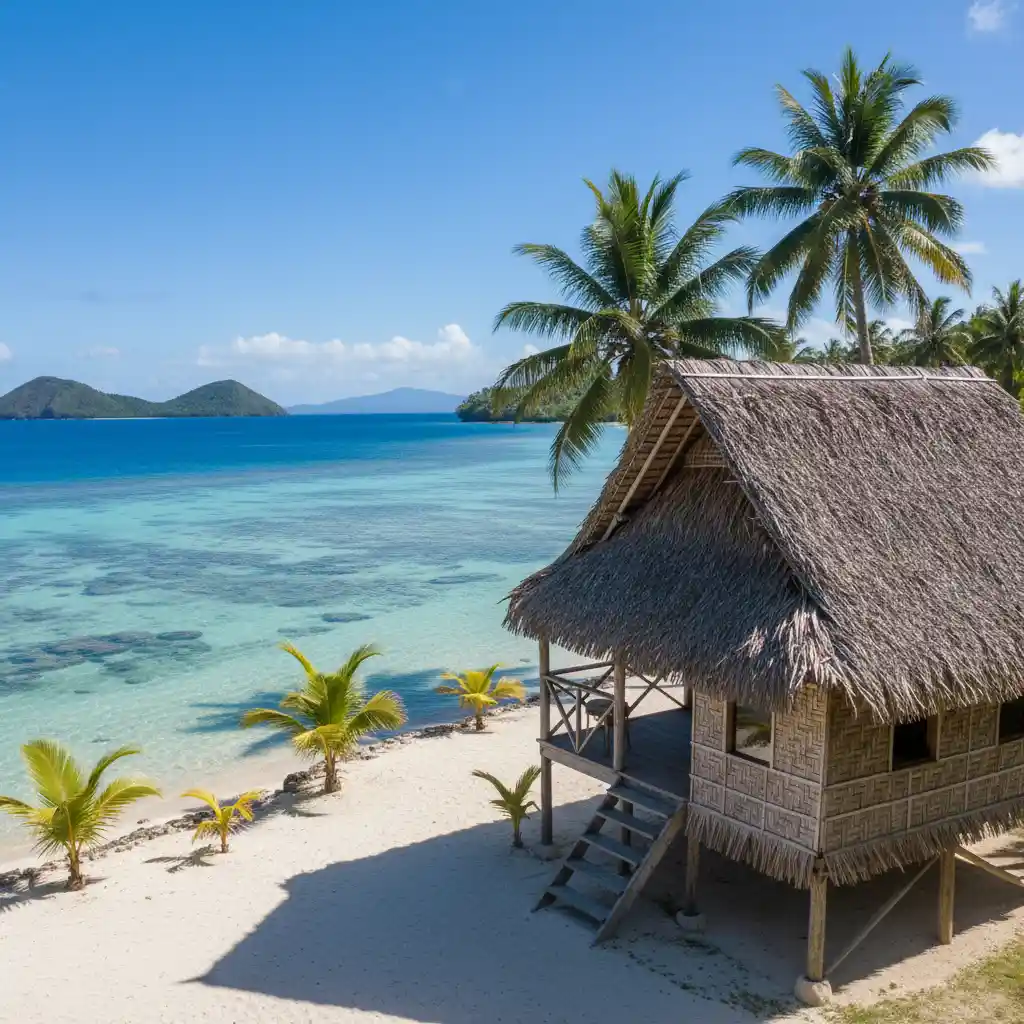
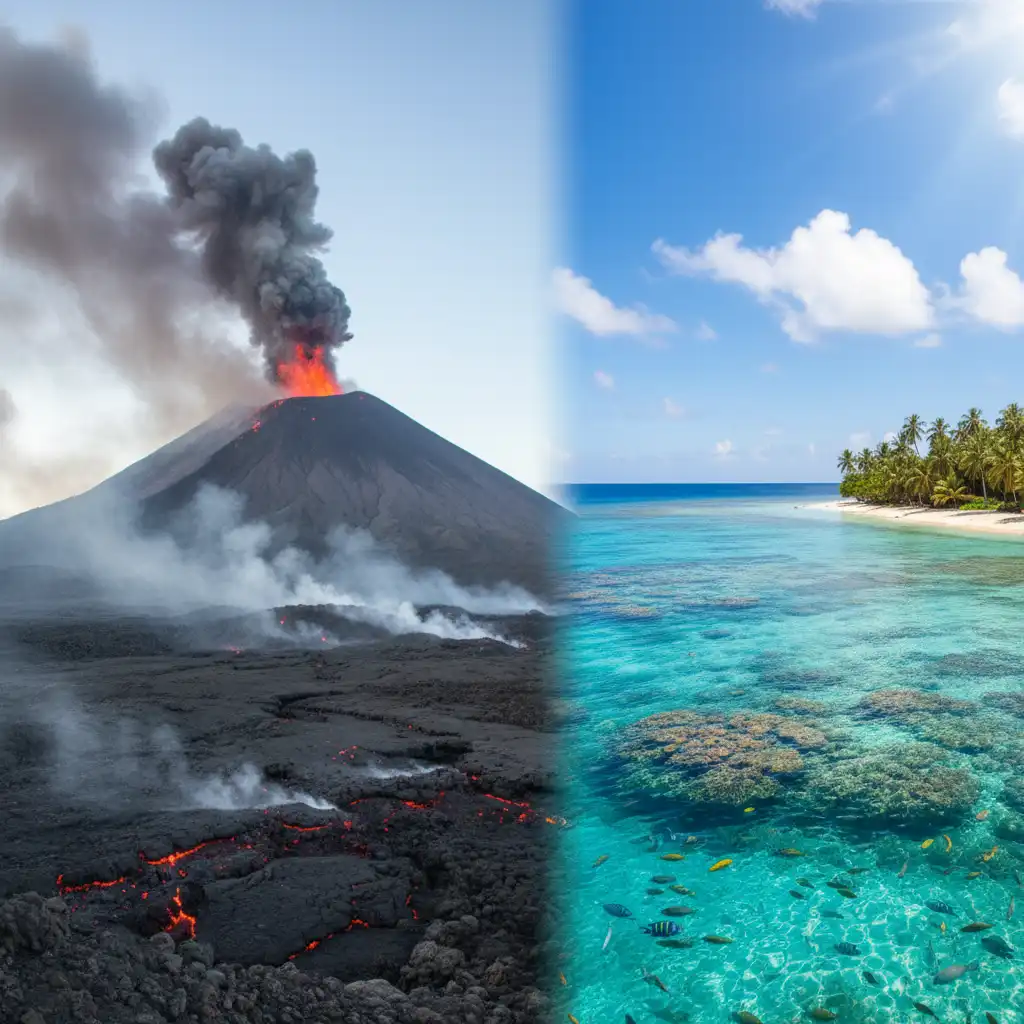
Spending 2 weeks in Vanuatu allows travelers to comfortably explore the “Big Three” islands: Efate, Tanna, and Espiritu Santo. This duration provides enough time to experience the active Mount Yasur volcano, relax on Champagne Beach, and enjoy Port Vila’s culinary scene without rushing between domestic flights and transfers.
Vanuatu is not a destination you visit to simply sit by a pool; it is a rugged, vibrant archipelago of 83 islands that demands exploration. For the commercial traveler seeking a balance of high-end relaxation and raw adventure, a fortnight is the minimum requirement to do justice to the country’s diversity. This guide outlines the logistical realities and curated highlights of a 14-day grand adventure across the South Pacific’s most fascinating nation.
The Logistics of Connecting Three Islands
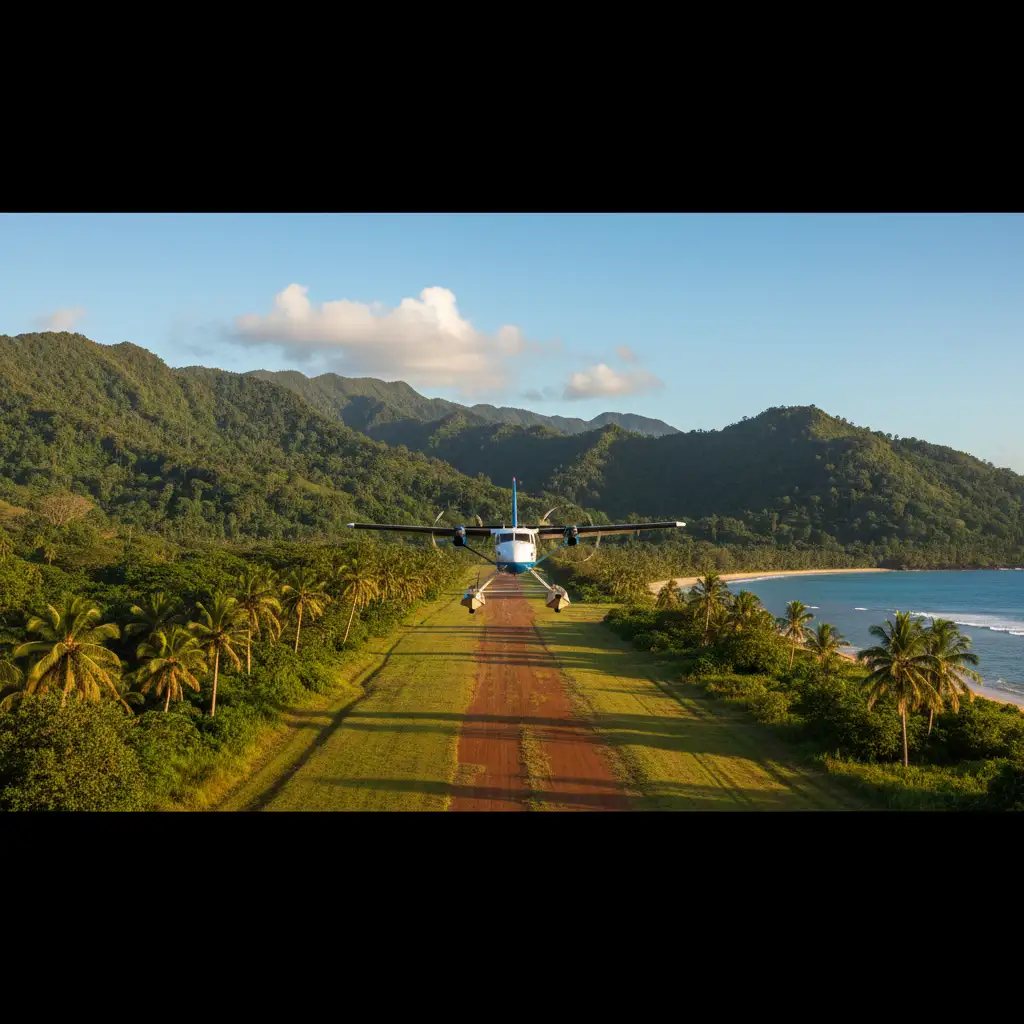
Planning a trip that covers Efate, Tanna, and Espiritu Santo requires strategic foresight. Unlike destinations with high-speed rail or bridges, Vanuatu relies entirely on domestic air travel and ferries to connect its major islands. For a two-week itinerary, air travel is the only viable option to maximize your time on the ground.
Most international flights land at Bauerfield International Airport (VLI) in Port Vila, Efate. This makes Efate the natural starting and ending point of your journey. The domestic network is primarily operated by Air Vanuatu (and occasionally charter services), connecting Port Vila to Whitegrass Airport (TAH) on Tanna and Pekoa International Airport (SON) on Espiritu Santo.
The Golden Rule of Inter-Island Travel: Always leave a buffer day before your international departure. Domestic flights in the Pacific can be subject to delays due to weather or maintenance. Never book a flight from Santo back to Vila on the same day as your long-haul flight home. This itinerary accounts for that safety margin.
Days 1-4: Efate – Culinary Delights and Road Trips
Your journey begins in Efate, the commercial and political heart of Vanuatu. While many travelers rush to the outer islands, Efate offers a sophisticated blend of French colonial influence and tropical beauty that sets the tone for the trip.
Acclimatization and Fine Dining in Port Vila
Upon arrival, pick up a rental car or arrange a driver. Port Vila is the culinary capital of the South Pacific. The French influence is palpable here. Spend your first evening at the waterfront, enjoying Santo beef—widely considered some of the best organic beef in the world—paired with French wine. Restaurants like L’Houstalet or Au Faré offer quintessential experiences.
The Round Island Road Trip
Day 2 or 3 should be dedicated to driving the Ring Road around Efate. This is a paved road that circles the entire island and takes a full day if you stop at the key sights:
- The Blue Lagoon: A mix of fresh and salt water that creates a stunning, milky turquoise swimming hole. It is essential to arrive early (before 10:00 AM) to avoid cruise ship crowds.
- Eton Beach: A pristine white sand beach perfect for a picnic lunch.
- Survivor Beach: Fans of the TV show will recognize the rugged coastline of Gideon’s Landing.
For accommodation, consider staying at a resort near Havannah Harbour on the north side for seclusion, or near Pango Peninsula if you prefer proximity to the city’s amenities.
Days 5-8: Tanna – Volcanoes and Ancient Culture
On Day 5, you will take the 40-minute flight south to Tanna. As you descend, the landscape changes dramatically from the manicured resorts of Efate to a wilder, prehistoric terrain. Tanna is the highlight for adventure seekers.
Mount Yasur: The World’s Most Accessible Volcano
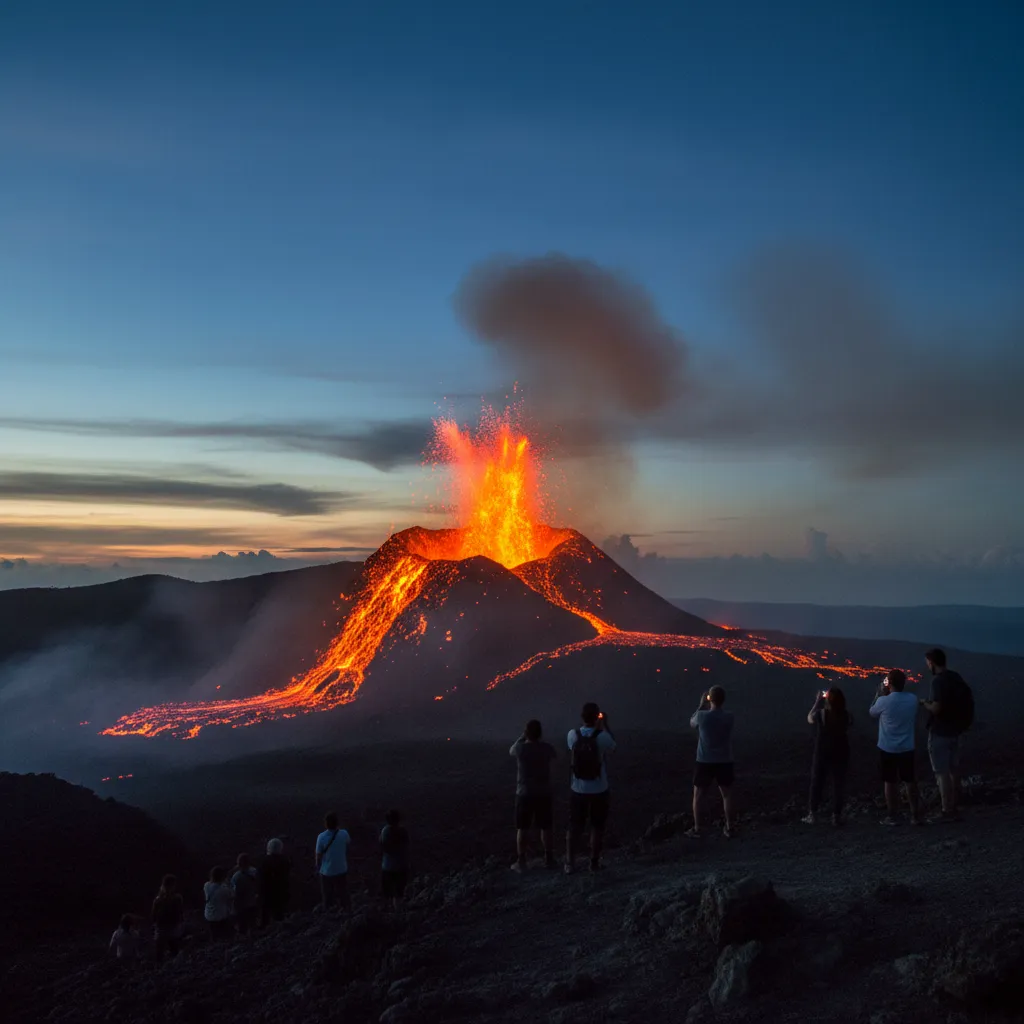
The primary draw of Tanna is Mount Yasur. Unlike other volcanoes that require grueling multi-day treks, Yasur is accessible via a 4WD vehicle that takes you to within a 15-minute walk of the crater rim. Standing on the edge of an active volcano as it rumbles and shoots lava bombs into the twilight sky is a visceral experience that defines a Vanuatu vacation.
Cultural Immersion in Kastom Villages
Tanna is deeply traditional. While here, you must visit a “Kastom” village, such as Yakel or Lowinio. These communities have rejected modern Western living in favor of traditional life. This is not a “human zoo” experience but a respectful cultural exchange where you can learn about their social structures, agriculture, and the John Frum cargo cults that are unique to this island.
The Blue Cave
Before departing Tanna, arrange a boat trip to the Blue Cave. Accessible only by swimming underwater through a small opening at low tide, you emerge into a cavernous grotto illuminated by a shaft of sunlight from the ceiling. It is a surreal and photogenic experience.
Days 9-13: Espiritu Santo – Champagne Beach & Blue Holes
From Tanna, you will likely fly back to Vila to connect to Espiritu Santo (Santo), the largest island in the archipelago. Santo is the place to wash off the volcanic dust of Tanna and indulge in world-class water activities.
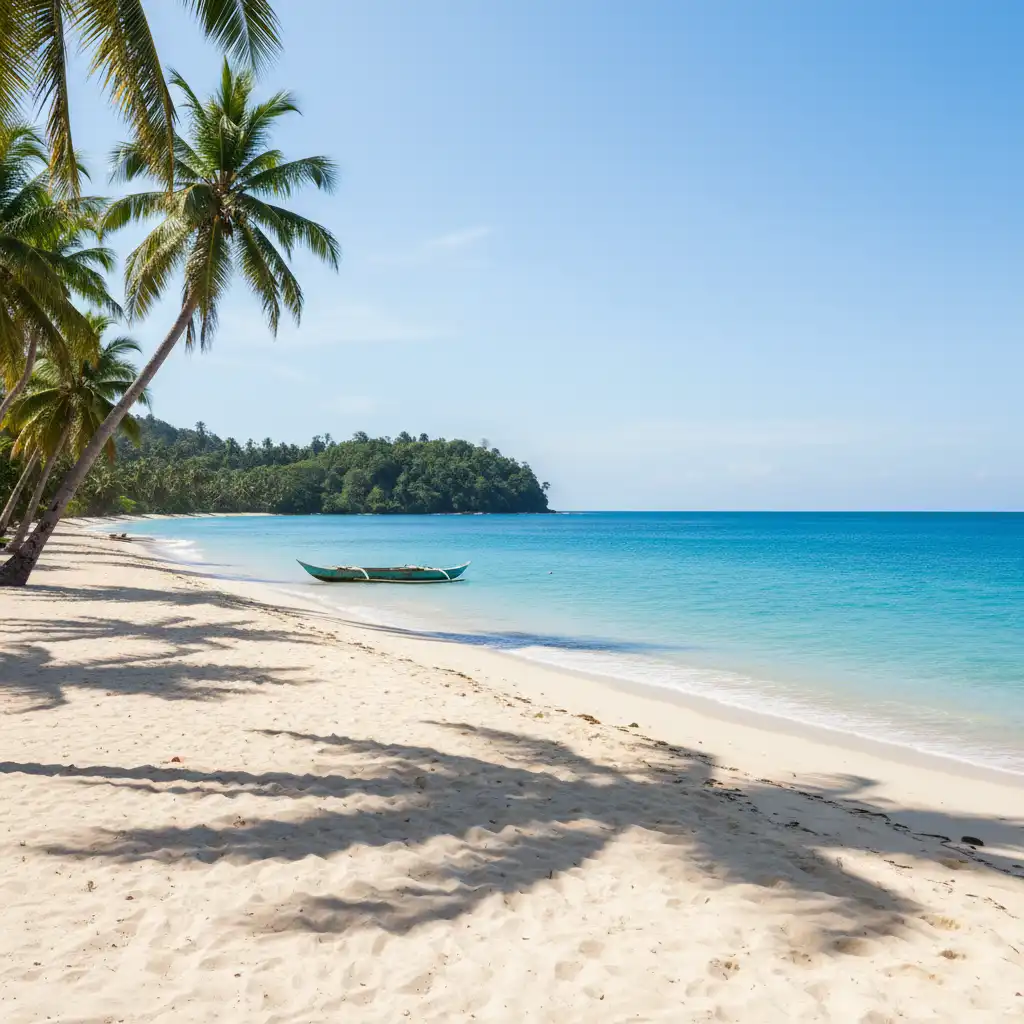
Champagne Beach and Lonnoc Beach
Champagne Beach often ranks among the top beaches globally. The water is crystal clear, and at low tide, volcanic gas escapes through the rocks, creating a fizzing sensation similar to champagne. While Champagne Beach has an entry fee (as it is privately owned), the adjacent Lonnoc Beach offers similar beauty with fewer crowds and excellent local bungalows for lunch.
The Blue Holes of Santo
Santo is famous for its blue holes—limestone filtration systems that result in sapphire-blue freshwater springs.
- Nanda Blue Hole: The most manicured and arguably the clearest, with infrastructure like boardwalks and a café.
- Matevulu Blue Hole: Best accessed by kayaking up the river, offering a more jungle-immersive experience.
- Riri Blue Hole: Famous for its concrete diving platforms and rope swings.
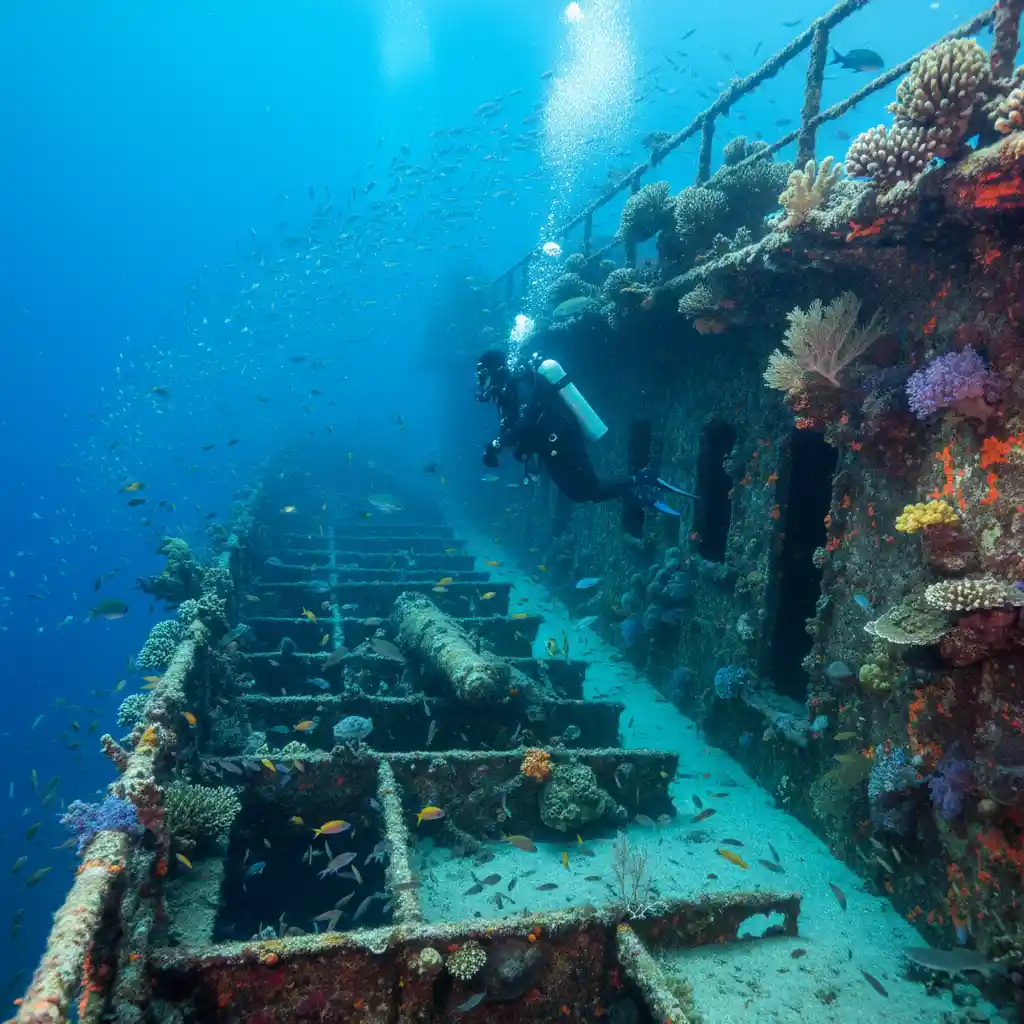
World-Class Diving: SS President Coolidge
For divers, Santo is a pilgrimage site. The SS President Coolidge, a luxury liner turned troopship that sank in WWII, is the largest accessible wreck dive in the world. Even if you are not a diver, snorkeling at Million Dollar Point—where the US military dumped tons of equipment into the ocean after the war—is a fascinating look at history reclaimed by coral.
Booking Multi-Leg Flights and Practical Tips
Executing this itinerary requires careful booking. Here is how to manage the commercial aspects of the trip effectively.
Flight Passes and scheduling
If you fly internationally with Air Vanuatu, you are often eligible for a discount on domestic fares. Ask your travel agent about the “Air Pass” option. When booking domestic legs, try to book early morning flights. Afternoon trade winds can sometimes cause cancellations or rough rides on smaller aircraft.
Accommodation Strategy
Efate: Book hotels 3-4 months in advance, especially during the Australian school holidays (June-July and December-January).
Tanna: Accommodation ranges from luxury eco-lodges like White Grass Ocean Resort to simple treehouses near the volcano. For the 2 weeks in Vanuatu itinerary, we recommend 2 nights near the volcano and 2 nights near the coast.
Santo: Renting a car is highly recommended here to access the Blue Holes and beaches independently.
Currency and Connectivity
The currency is the Vatu (VUV). While credit cards are accepted in resorts, cash is King in Tanna and rural Santo. You will need cash for village entry fees, markets, and roadside stalls. Digicel offers the best SIM card coverage across the islands, including 4G in many surprising locations.
People Also Ask (PAA)
Is 2 weeks in Vanuatu enough time?
Yes, 2 weeks is the ideal amount of time. It allows you to split your trip into three distinct legs: 4 days in Efate, 4 days in Tanna, and 5 days in Espiritu Santo, with a travel buffer day. Anything less than 10 days forces you to cut one of the major islands.
How much money do I need for 2 weeks in Vanuatu?
For a mid-range to luxury trip, budget between $250 to $400 USD per person, per day. This covers domestic flights, mid-range resort accommodation, car rentals, entry fees (which can be high for the volcano and blue holes), and dining. Budget travelers can do it for less, but transport costs remain high.
What is the best month to visit Vanuatu?
The best time to visit is between April and October. This is the dry season, offering comfortable temperatures (20°C to 28°C) and lower humidity. November to March is the wet season and cyclone season, which can disrupt inter-island travel.
Is Vanuatu safe for tourists?
Vanuatu is generally very safe. The crime rate is low, and the locals are renowned for their friendliness. The main risks are environmental (currents, coral cuts, or volcanic activity). Always listen to local guides regarding safety at Mount Yasur and ocean swimming conditions.
Can you drink the tap water in Vanuatu?
In Port Vila (Efate), the tap water is generally treated and safe to drink, though many tourists prefer bottled water to be safe. On outer islands like Tanna and Santo, you should strictly drink bottled or filtered water to avoid stomach issues.
Do I need a visa for Vanuatu?
Citizens of many countries, including the US, UK, Australia, New Zealand, and EU member states, are exempt from visa requirements for stays of up to 30 or 90 days (depending on the country). Always check the latest entry requirements before booking.