Vanuatu souvenirs are authentic, handcrafted items representing the archipelago’s rich Melanesian heritage. Popular choices include intricate wood carvings like Tamtams, hand-woven pandanus mats, and unique sand drawings. These items serve as cultural artifacts, supporting local artisans while offering travelers high-quality, sustainable mementos from their South Pacific journey through the islands.
Why Vanuatu Souvenirs are Unique?
Vanuatu souvenirs are more than just trinkets; they are a direct connection to one of the world’s most diverse and resilient cultures. For the high-value traveler from Australia or New Zealand, the appeal lies in the authenticity of the craftsmanship. Unlike many global destinations where souvenirs are mass-produced in factories, the vast majority of items found in Vanuatu are handmade in local villages using techniques passed down through generations.
The archipelago consists of over 80 islands, each with its own distinct artistic style, dialect, and traditional stories. When you purchase a piece of Ni-Vanuatu art, you are often buying a story—a narrative of ancestral spirits, oceanic navigation, or agricultural cycles. This deep cultural rooting makes these items highly sought after by collectors and those looking for meaningful home decor that transcends the typical vacation memento.
Traditional Wood Carvings: The Soul of the Islands
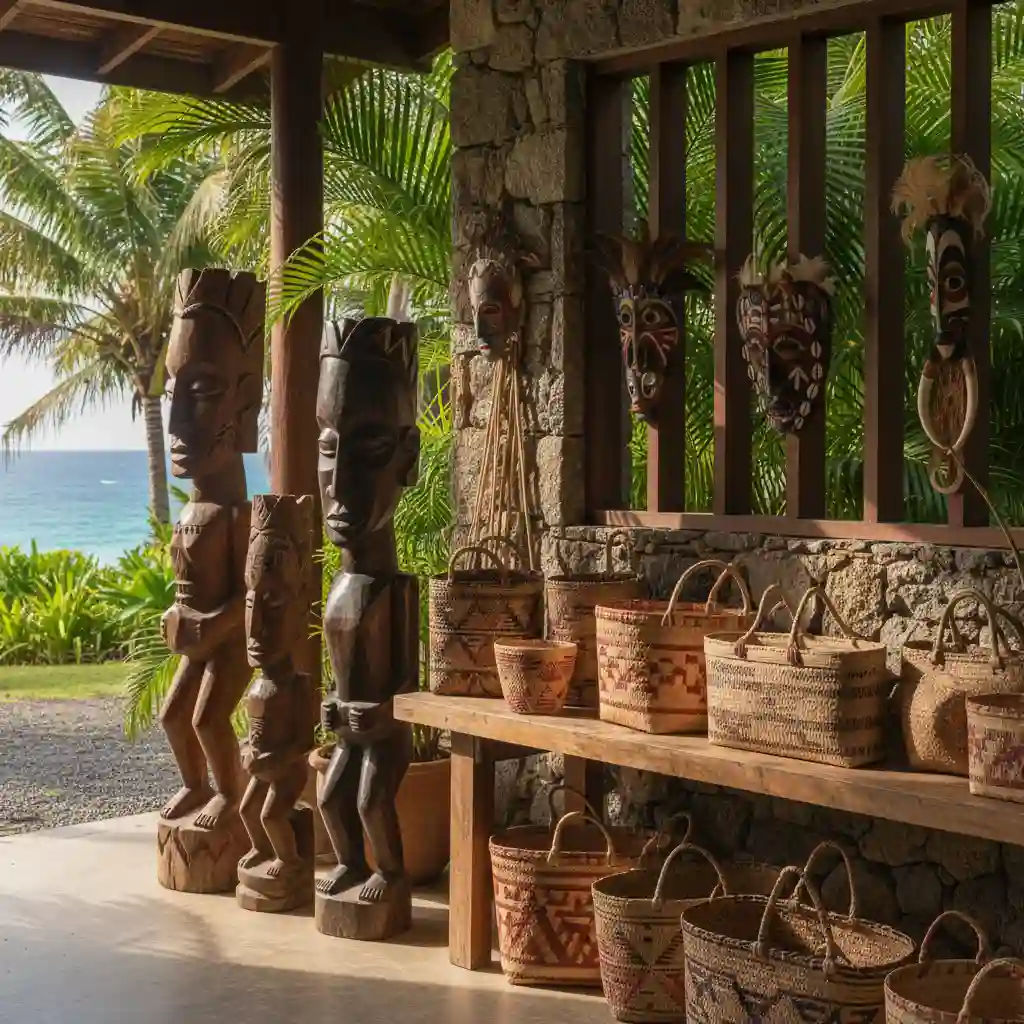
Wood carving is perhaps the most iconic form of artistic expression in Vanuatu. Utilizing local hardwoods such as Rosewood, Mahogany, and the fibrous trunk of the tree fern, artisans create pieces that are both functional and deeply symbolic.
Ambrym Tamtams (Slit Drums)
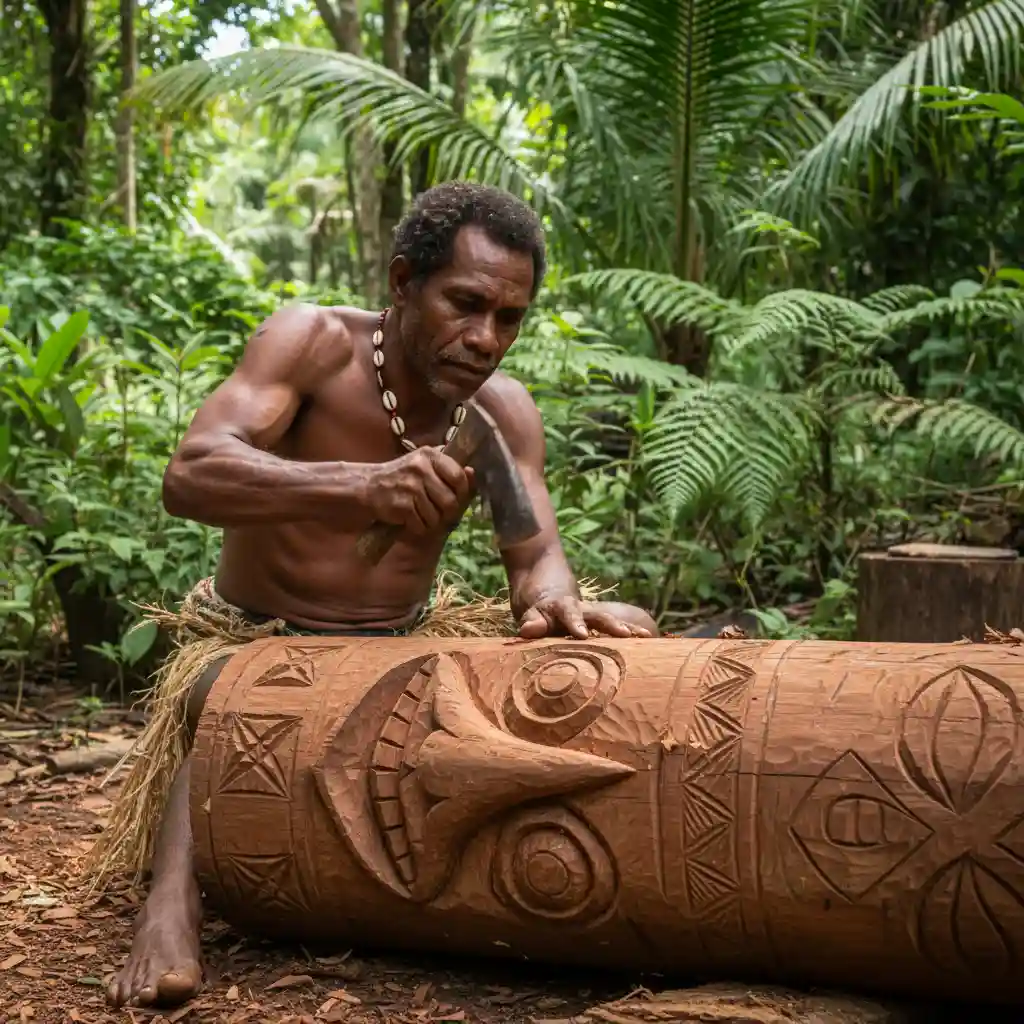
The Tamtam, or slit drum, is the most recognizable symbol of Vanuatu. Originating primarily from the island of Ambrym, these towering drums are carved from massive logs. In traditional village life, they are used for communication between villages and as musical instruments during ceremonial dances (Kastom dances). Smaller, portable versions are popular souvenirs, featuring the distinctive ‘all-seeing’ eyes of the ancestors. These eyes represent the watchful gaze of those who have passed, ensuring the community adheres to traditional laws.
Ceremonial Masks and Statues
Masks in Vanuatu are often used in rituals to represent spirits or to grant the wearer the power of a specific deity. The designs vary wildly between islands. For instance, masks from Malekula might use spiderweb and clay, while those from the southern islands might focus on clean, minimalist wooden lines. For the discerning collector, a genuine ceremonial mask is a striking piece of wall art that brings a sense of the South Pacific’s ancient mystery into a modern home.
Functional Art: Bowls and Paddles
If you prefer items that can be used in daily life, look for hand-carved kava bowls (tanoas) or decorative canoe paddles. These are often polished to a high sheen and feature intricate geometric patterns etched into the wood. The symmetry and precision of these carvings, often done with basic tools, are a testament to the skill of the Ni-Vanuatu carvers.
Woven Goods: Masterpieces of Pandanus
Weaving is a skill primarily practiced by the women of Vanuatu. It is an integral part of the social fabric, as mats and baskets are often used as traditional currency in weddings, funerals, and land negotiations.
Handbags and Baskets
Using the leaves of the pandanus plant, weavers create durable and stylish bags. The process involves harvesting the leaves, stripping the thorns, boiling or drying them in the sun, and then meticulously weaving them into patterns. Some bags incorporate natural dyes derived from roots and bark, resulting in beautiful earthy tones of red, yellow, and black. These are perfect for the eco-conscious traveler looking for a sustainable alternative to plastic or synthetic bags.
Traditional Mats (Emat)
The ‘Emat’ or traditional mat is highly valued. Some islands, like Pentecost and Maewo, are famous for their red-dyed mats which feature complex stenciled patterns. While large mats might be difficult to transport, many artisans create smaller versions or table runners that fit easily into a suitcase. These mats are incredibly durable and can last for decades, becoming family heirlooms that tell the story of your travels.
Sand Drawing: A UNESCO Intangible Heritage
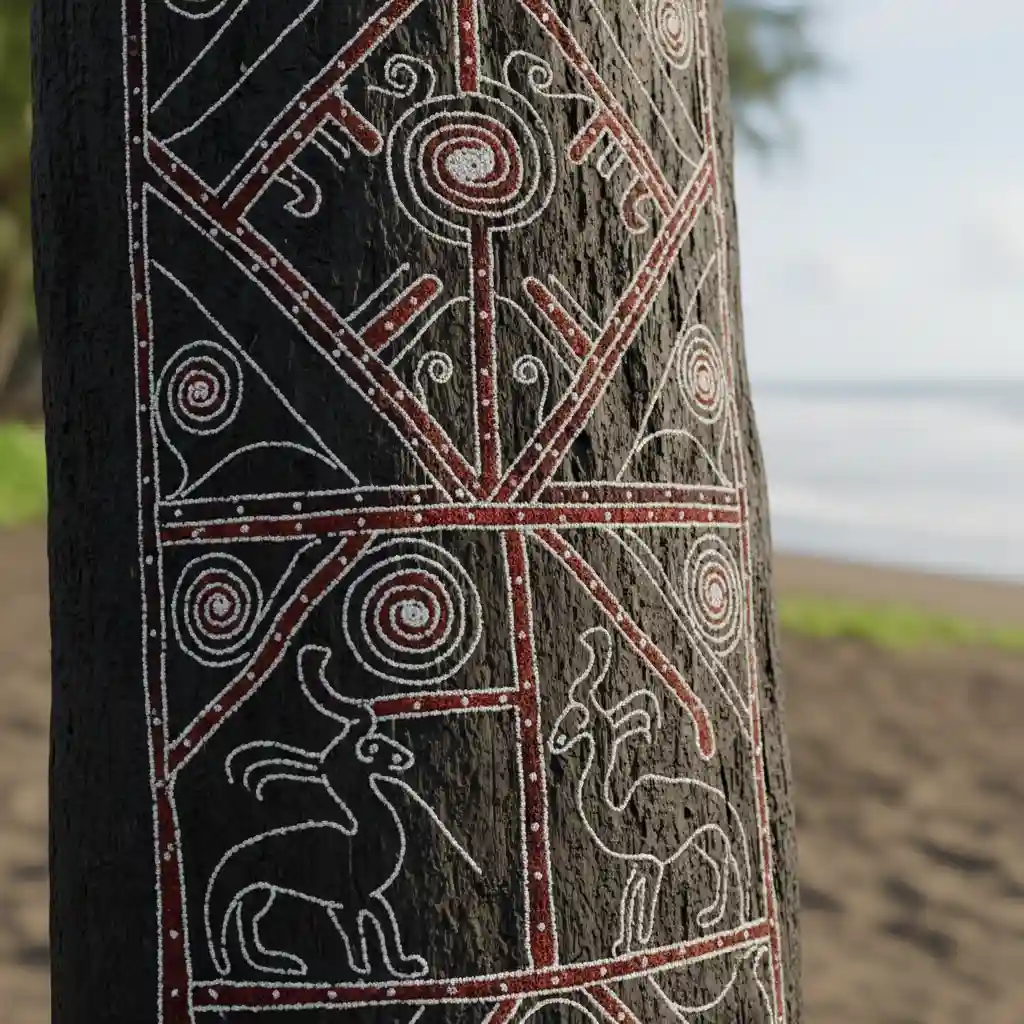
Vanuatu’s sand drawing is not just art; it is a sophisticated form of communication and a mnemonic device. Recognized by UNESCO as a Masterpiece of the Oral and Intangible Heritage of Humanity, sand drawing involves a practitioner using a single finger to trace a continuous, complex geometric line in the sand or ash.
While you cannot ‘buy’ a sand drawing in its physical form, you can find its influence everywhere. Local artists often replicate these designs on canvas, wood carvings, or even etched into pottery. Purchasing a painting that features a sand drawing motif is a way to bring home a piece of this ephemeral art form. Each drawing carries a specific meaning—representing a myth, a song, or a local animal—making it a deeply intellectual souvenir for those who appreciate cultural anthropology.
Other Authentic Ni-Vanuatu Crafts
Beyond wood and weaving, Vanuatu offers a variety of other unique items that reflect the islands’ natural resources and creative spirit.
Wusi Pottery from Espiritu Santo
On the island of Espiritu Santo, the village of Wusi is one of the few places in the South Pacific where traditional pottery techniques have survived. The clay is hand-molded without a wheel and fired in open pits. The resulting pots are rustic and earthy, often decorated with simple incised lines. Because of their fragility, these require careful packing, but they are among the rarest souvenirs you can find in the region.
Shell and Seed Jewelry
The ocean provides an endless supply of materials for local jewelers. Look for necklaces made from nautilus shells, polished coconut shells, or the vibrant ‘lucky seeds’ found in the jungle. High-end boutiques in Port Vila also offer jewelry featuring the rare ‘Tanna Coffee’ beans or locally grown pearls, providing a sophisticated take on island adornment.
Where to Buy: The Best Markets and Galleries
For travelers staying in Port Vila or Luganville, there are several key locations to find high-quality souvenirs while ensuring your money goes directly to the producers.
- Haos Blong Handikraf (House of Handicrafts): Located on the Port Vila seafront, this is the gold standard for authentic goods. Everything sold here is made in Vanuatu, and the quality is strictly monitored. It is the best place to find high-end wood carvings and traditional mats.
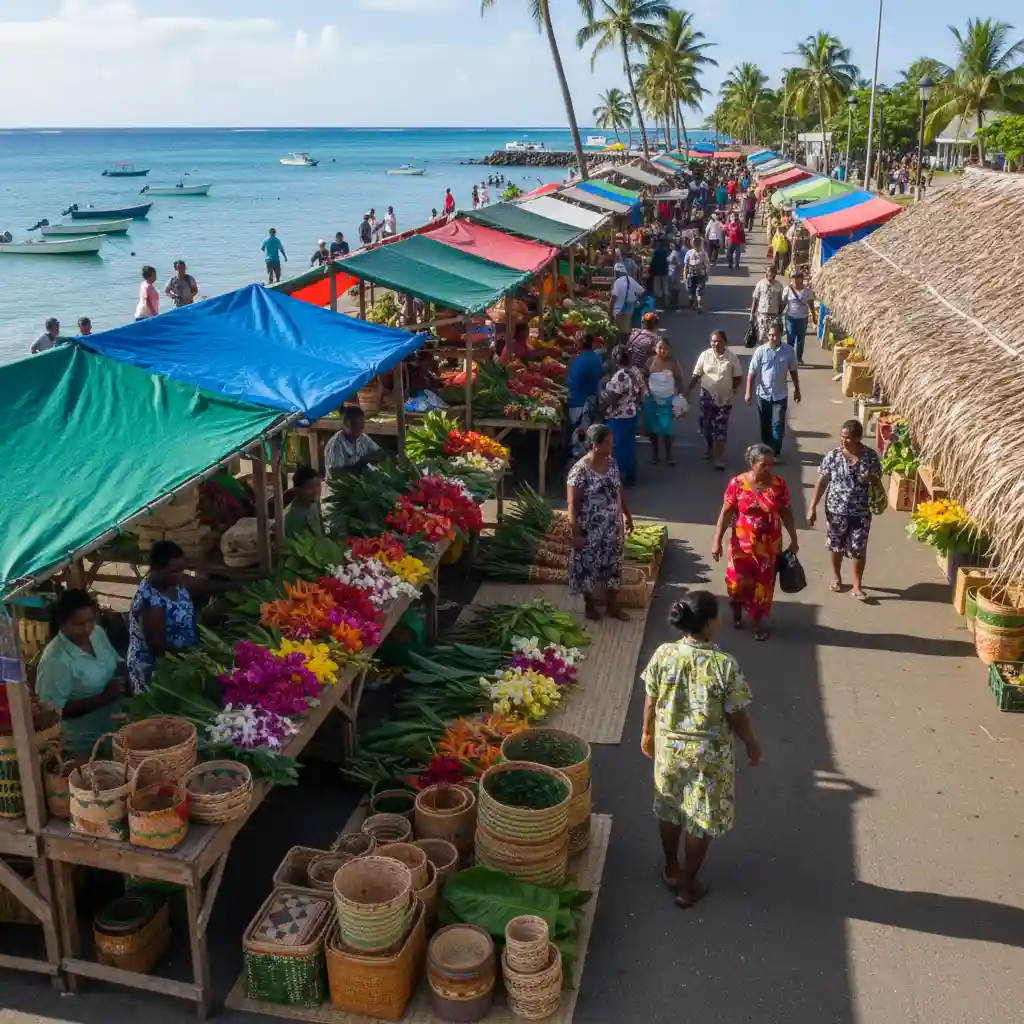
- Port Vila Central Market: While primarily a produce market, the back sections are filled with stalls selling woven bags, island dresses (Mother Hubbard dresses), and small wooden trinkets. It is a vibrant, bustling place to interact with local mamas.
- Luganville Market: If you are on Espiritu Santo, this market offers a more laid-back experience with plenty of local crafts, particularly those from the northern islands.
- Michoutouchkine & Pilioko Foundation: For those interested in fine art, this gallery showcases the work of famous local artists and offers unique textiles and paintings that blend Melanesian motifs with modern art styles.
Biosecurity Guide for AU and NZ Travelers
When bringing Vanuatu souvenirs back to Australia or New Zealand, biosecurity is the most important consideration. Both countries have strict rules regarding organic materials to protect their agricultural industries.
How to ensure your souvenirs pass inspection:
- Declare Everything: Always declare wooden items, seeds, shells, and woven goods on your incoming passenger card. If you declare it and it’s not allowed, it will simply be confiscated. If you don’t declare it and it’s found, you could face significant fines.
- Check for Insects: Inspect wood carvings for small holes or ‘frass’ (fine sawdust), which indicates active wood-boring insects. Professional galleries in Vanuatu often treat their wood to ensure it is pest-free.
- Cleanliness is Key: Ensure that shells are free of sand, water, and animal remains. Woven mats should be clean and free of seeds or soil.
- Avoid Restricted Items: Be cautious with items made from animal products like feathers, bone, or certain types of coral, as these may be protected under CITES (Convention on International Trade in Endangered Species) and require special permits.
By choosing authentic, high-quality Vanuatu souvenirs, you are not just bringing home a piece of the South Pacific; you are participating in the preservation of a vibrant culture. Whether it is a towering Tamtam or a delicately woven basket, these items carry the spirit of Vanuatu, serving as a lasting reminder of the ‘Land of Smiles’.
People Also Ask
Can I bring wood carvings from Vanuatu to Australia?
Yes, you can bring wood carvings into Australia, but they must be declared. The Department of Agriculture will inspect them for signs of timber pests. It is best to buy from reputable galleries that treat the wood and to ensure the item is free of bark and soil.
What are the best souvenirs to buy in Port Vila?
The best souvenirs in Port Vila include authentic wood carvings from Haos Blong Handikraf, hand-woven pandanus bags from the Central Market, and local Tanna coffee or 80% dark Vanuatu chocolate for a taste of the islands.
Is sand drawing a physical souvenir?
Technically, a sand drawing is ephemeral and created in the ground. However, you can buy physical souvenirs that feature sand drawing designs, such as paintings, etched wooden platters, or printed textiles that capture these UNESCO-recognized patterns.
How do I know if a souvenir is authentically made in Vanuatu?
Look for the ‘Made in Vanuatu’ certification or shop at established venues like the Haos Blong Handikraf. Items sold in village markets are almost always authentic, but you can always ask the artisan about the materials and the island of origin.
What is the significance of the Tamtam drum?
The Tamtam is a traditional slit drum used for communication and ceremonial music. It represents ancestral spirits and is a symbol of cultural identity and authority within Ni-Vanuatu communities, particularly on the island of Ambrym.
Are there duty-free limits for souvenirs entering New Zealand?
New Zealand allows travelers to bring in gifts and souvenirs up to a certain value (usually NZ$700) duty-free. However, biosecurity rules regarding organic materials like wood and flax are separate from duty limits and are much stricter.