Vanuatu festivals are a vibrant tapestry of ancient Kastom traditions and modern celebrations, ranging from the gravity-defying Nagol land diving to nationwide Independence Day festivities. These events offer travelers a deep immersion into the archipelago’s unique Ni-Vanuatu heritage through traditional dance, music, local cuisine, and communal ceremonies held across the 83 islands annually.
Why are Vanuatu festivals central to the Ni-Vanuatu identity?
Vanuatu festivals, or ‘fetes’, are far more than mere tourist attractions; they are the lifeblood of the nation’s social fabric. Rooted in ‘Kastom’—the complex system of traditional law, religion, and social structure—these events serve as a bridge between the ancestral past and the modern present. For the Australian and New Zealander traveler, participating in these festivals provides a rare window into a world where spiritual beliefs and communal living remain paramount.
Unlike the commercialized festivals found in many Western nations, Vanuatu’s celebrations are often deeply tied to the agricultural cycle, the spirits of the ancestors, and the formalization of social status. Whether it is a circumcision ceremony on Tanna or a masked dance on Ambrym, the authenticity of these events is maintained through strict adherence to oral traditions passed down through generations. This authenticity is precisely what attracts high-value travelers seeking meaningful, transformative experiences rather than superficial sightseeing.
What happens during Vanuatu’s Independence Day?
Vanuatu’s Independence Day, celebrated annually on July 30th, is the most significant date on the national calendar. It marks the country’s transition from the Anglo-French Condominium of the New Hebrides to the sovereign Republic of Vanuatu in 1980. While the largest celebrations take place in the capital, Port Vila, on the island of Efate, every village across the archipelago hosts its own festivities.
In Port Vila, the day typically begins with a formal parade at Independence Park, featuring the Vanuatu Mobile Force, police bands, and various community groups. The atmosphere is electric, characterized by a sea of red, gold, green, and black—the colors of the national flag. Visitors can expect a week-long lead-up filled with sporting competitions, including football and canoe racing, as well as ‘string band’ competitions that showcase the country’s unique musical style.
The Role of Food and Community in July 30th Celebrations
Food plays a central role in Independence Day. Large communal ‘lap-lap’ (the national dish made of pounded root vegetables, coconut cream, and meat) is prepared in earth ovens. For AU/NZ travelers, this is an excellent opportunity to sample authentic local cuisine in a festive, welcoming environment. The day usually concludes with fireworks over Vila Bay and live music performances that blend traditional rhythms with modern reggae and island pop.
What is the Tokatoka Festival?
The Tokatoka Festival is a specialized arts and culture event primarily associated with the Shepherd Islands, particularly Emae. Unlike the broader national holidays, the Tokatoka Festival focuses specifically on the preservation of traditional stories, music, and dance styles that are unique to this sub-region of Vanuatu. It is a showcase of ‘Kastom’ that emphasizes the transmission of knowledge from elders to the youth.
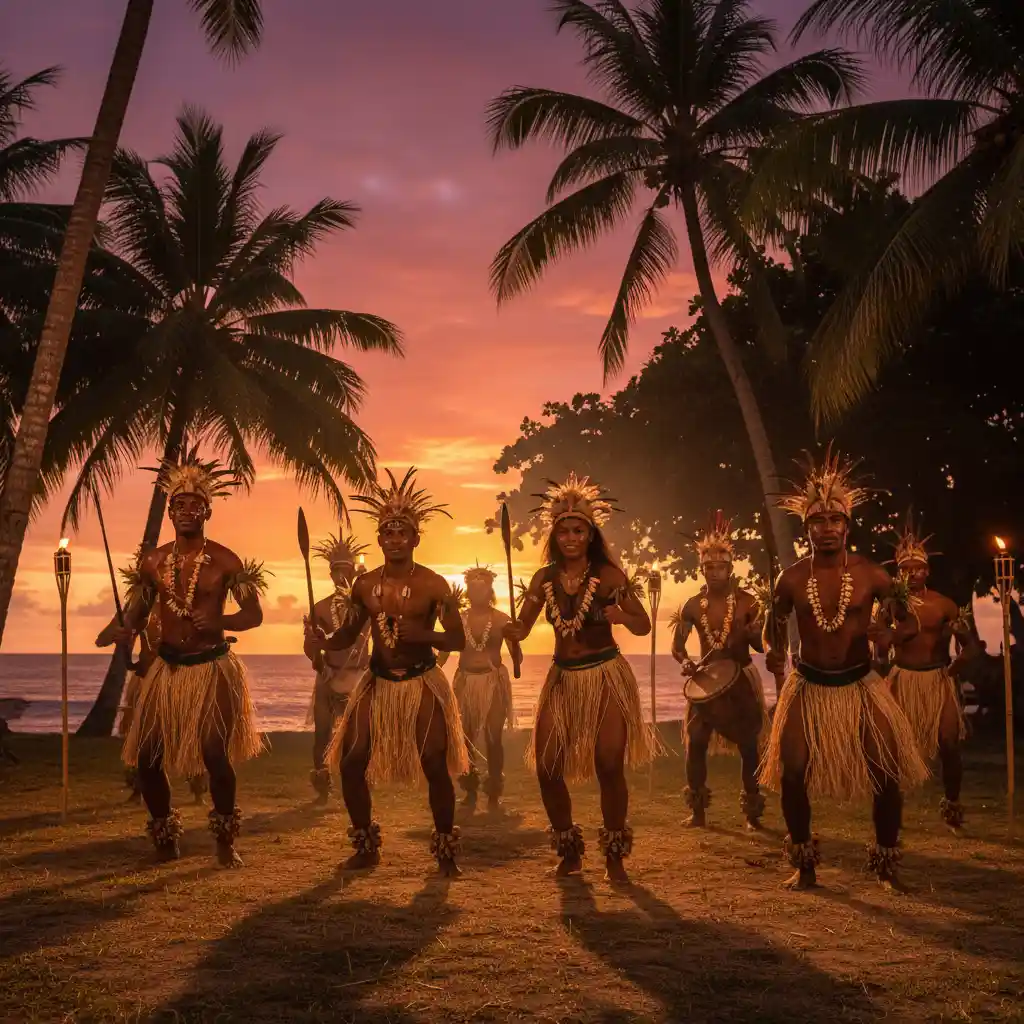
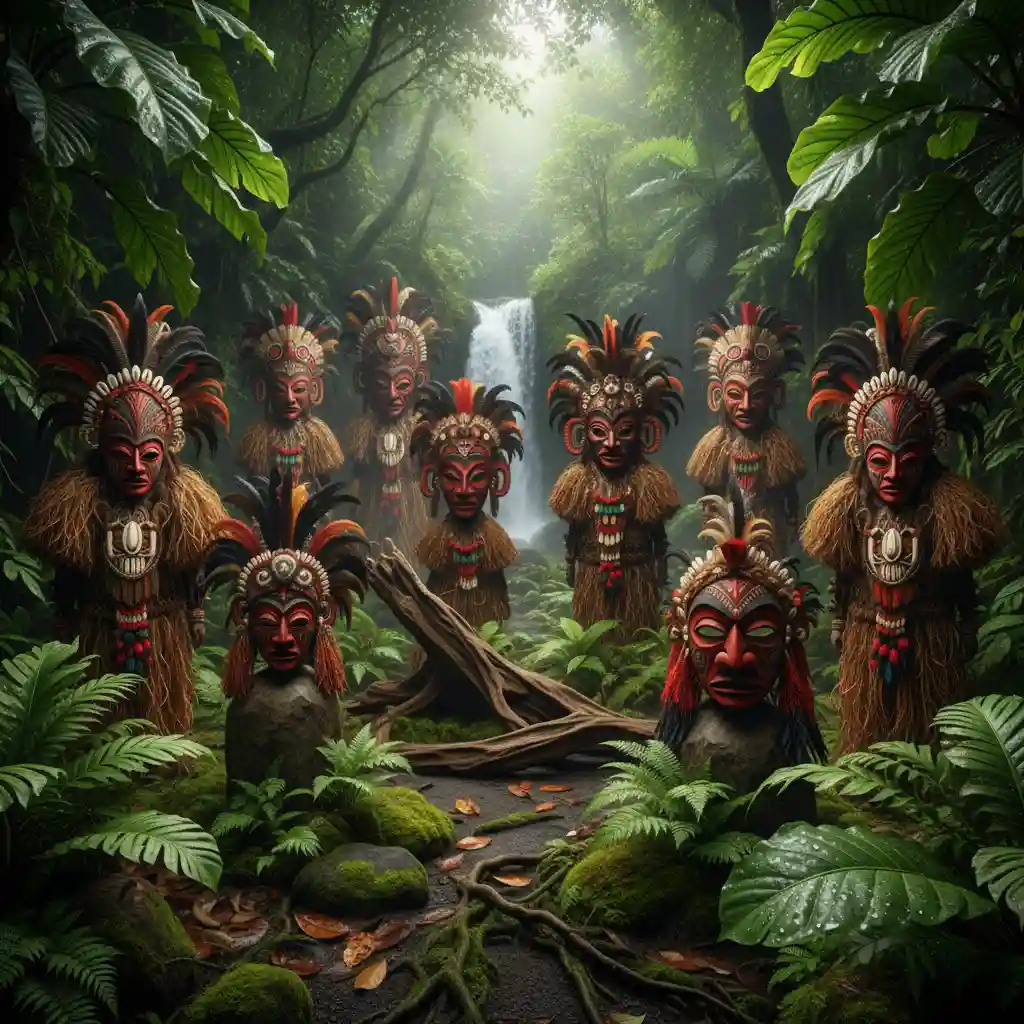
During the festival, participants engage in intricate dance sequences that narrate historical events, such as the migration of ancestors or significant volcanic eruptions. The costumes are often elaborate, utilizing local fibers, feathers, and pigments. For the discerning traveler, the Tokatoka Festival offers a more intimate and scholarly look at the diversity of Ni-Vanuatu culture, moving beyond the well-known tropes to reveal the specific nuances of the Shepherd Islands’ heritage.
When and where is the Nagol Land Diving held?
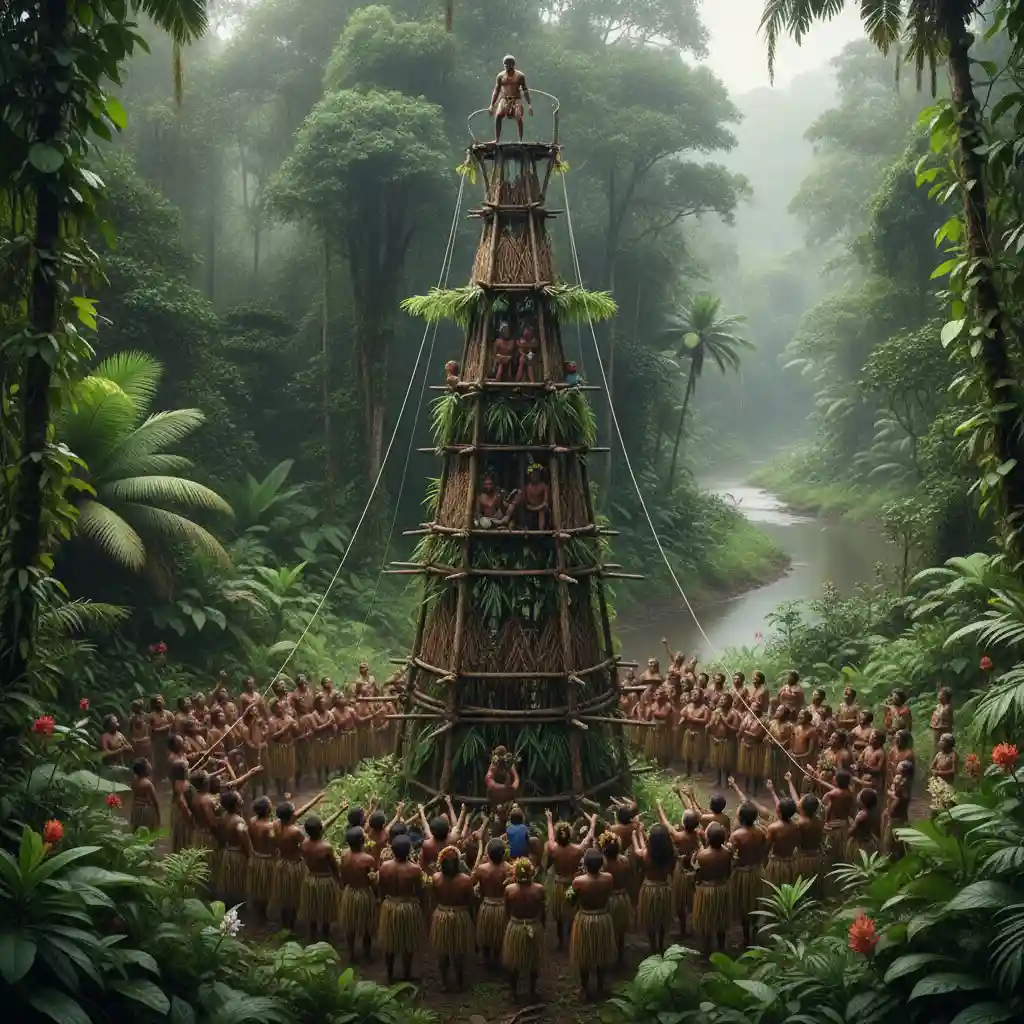
The Nagol, or Land Diving, is perhaps Vanuatu’s most famous cultural export and the precursor to modern bungee jumping. It takes place on Pentecost Island every Saturday from April to June. This ritual is a fertility rite for the yam harvest and a rite of passage for young men. The ceremony involves men jumping from wooden towers up to 30 meters high with only two vines tied to their ankles to break their fall.
The ritual is deeply spiritual; it is believed that the higher the jump, the more bountiful the yam harvest will be. The vines are carefully selected by the jumpers themselves, as their length must be precise—too long, and the jumper hits the ground with force; too short, and they risk snapping back into the tower. For travelers from Australia and New Zealand, witnessing the Nagol is a visceral experience that highlights the incredible bravery and faith of the Pentecost people.
Logistics for Visiting Pentecost Island
Accessing Pentecost for the Nagol requires careful planning. Most visitors fly into Lonorore or Sara airport via Air Vanuatu. Due to the remote nature of the island, many choose to join organized day tours from Port Vila or Luganville. However, staying overnight in a local guesthouse provides a much richer experience, allowing for interaction with the community before and after the ceremony.
How are religious holidays celebrated in Vanuatu?
Vanuatu is a predominantly Christian nation, and religious holidays are observed with great fervor and unique local adaptations. Major holidays include Christmas, Easter, Ascension Day (40 days after Easter), and Assumption Day (August 15th). These dates are public holidays, meaning most businesses in Port Vila and Luganville will be closed, allowing locals to focus on church services and family gatherings.
Easter is a particularly significant time, marked by choral singing that is world-renowned for its harmony and passion. In many villages, the religious observance is blended with traditional feasts. Christmas in Vanuatu is a tropical affair, often celebrated with ‘Family Day’ picnics on the beach and the exchange of small gifts. For the high-value traveler, these holidays offer a peaceful time to witness the spiritual devotion of the Ni-Vanuatu people and enjoy the slower pace of island life.
What are the key dates for Vanuatu festivals in 2024-2025?
Planning a trip around Vanuatu’s festival calendar requires advance booking, as domestic flights and accommodation in remote areas fill up quickly. Below is a general guide to the annual event cycle:
- April to June: Nagol (Land Diving) – Pentecost Island (Saturdays).
- June: Fête de la Musique – Port Vila (June 21st).
- July: Maskelyne Canoe Race and Arts Festival – Malekula.
- July 24th: Children’s Day – Nationwide celebrations.
- July 30th: Independence Day – Nationwide (Central hub in Port Vila).
- August: Lamap Art and Cultural Festival – Malekula.
- September: Vanua/Torba Day – Celebrating the northern provinces.
- October: National Arts Festival (Dates vary annually).
- November: Gospel Day – Nationwide.
For AU/NZ travelers, the winter months (June to August) coincide with the best weather in Vanuatu—cooler, drier, and less humid—making it the ideal window for festival-focused travel.
How should visitors behave at a Vanuatu festival?
Respecting ‘Kastom’ is essential when attending any local event in Vanuatu. The Ni-Vanuatu are incredibly hospitable, but they hold their traditions and land sacred. When visiting a village for a festival, it is customary to wait for an invitation or go with a local guide. Dress should be modest; while swimwear is fine at the resort pool, it is inappropriate in villages. Men and women should ensure their shoulders and knees are covered.
Photography is generally welcomed at public festivals, but it is always polite to ask permission before taking a close-up portrait of an individual, especially elders or those in traditional ceremonial attire. In some cases, a small fee or ‘koha’ may be requested for photos, which helps support the local community. By following these simple rules of etiquette, travelers ensure that these festivals remain sustainable and that the local culture is treated with the dignity it deserves.
The Importance of Supporting Local Economies
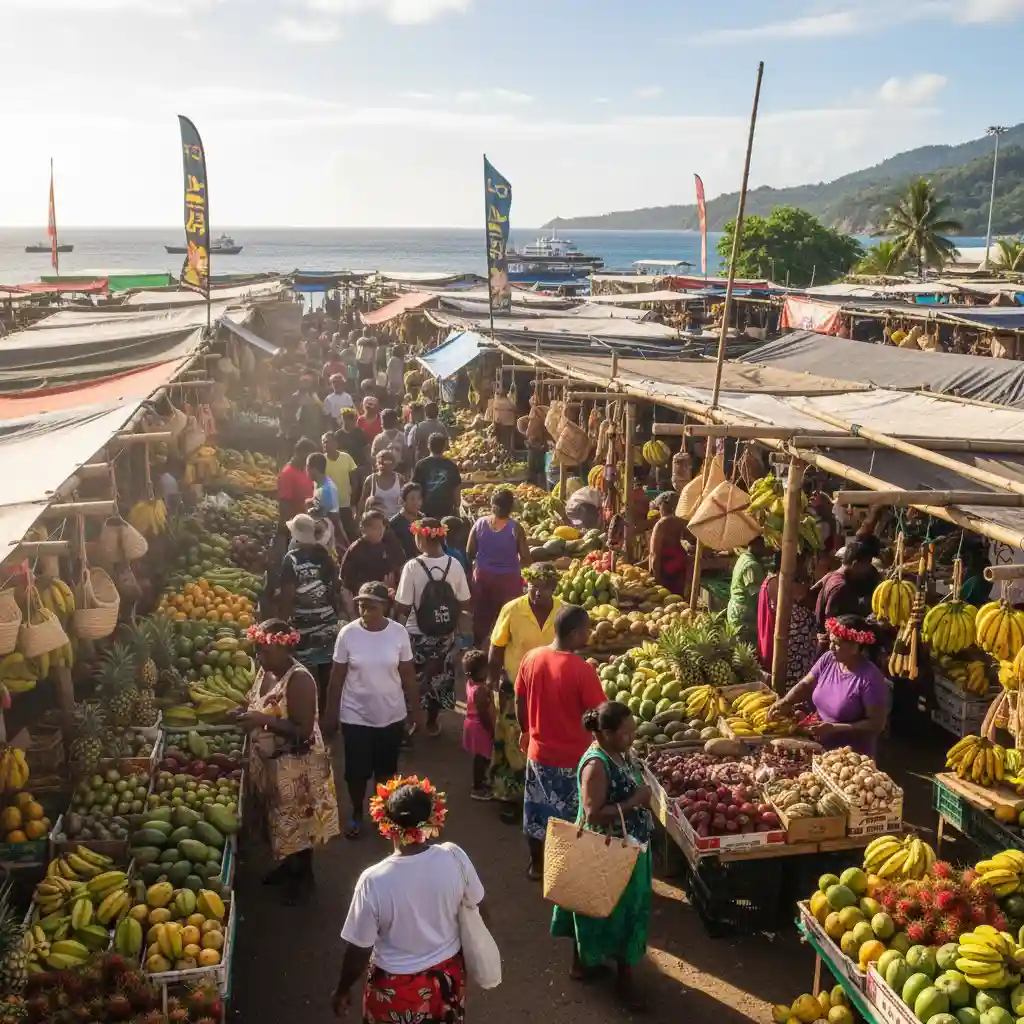
When attending festivals, travelers are encouraged to purchase locally made crafts and food. This direct economic support is vital for the preservation of traditional skills like weaving and carving. In the AU/NZ market, where ‘conscious travel’ is a growing trend, engaging with Vanuatu’s festivals offers a perfect opportunity to ensure travel dollars have a positive impact on the host communities.
What is the best time of year to see festivals in Vanuatu?
The peak festival season is from April to August. This period includes the Nagol land diving (April-June) and Independence Day (July 30th), and offers the most pleasant weather for Australian and New Zealand travelers.
Do I need to book tours to see the Nagol land diving?
Yes, it is highly recommended to book an organized tour for the Nagol. Pentecost Island is remote, and tours handle the complex logistics of flights, land transfers, and entry permissions required by local chiefs.
Are Vanuatu festivals family-friendly?
Absolutely. Ni-Vanuatu culture is very family-oriented. Children’s Day on July 24th is specifically dedicated to youth, and most public festivals feature activities and music that children will enjoy.
What should I wear to a traditional festival in a village?
Modest clothing is required. Both men and women should wear shirts that cover the shoulders and shorts or skirts that reach the knee. Avoid wearing bikinis or revealing clothing outside of resort areas.
Can I take photos during the ceremonies?
In most cases, yes, but always ask for permission first. Some sacred rituals may have restrictions on photography, and your guide or a village elder will inform you if this is the case.
Is there a cost to attend these festivals?
Major public events like Independence Day in Port Vila are free. However, village-based festivals or specific events like the Nagol usually require a fee, which goes toward the community and the maintenance of the tradition.