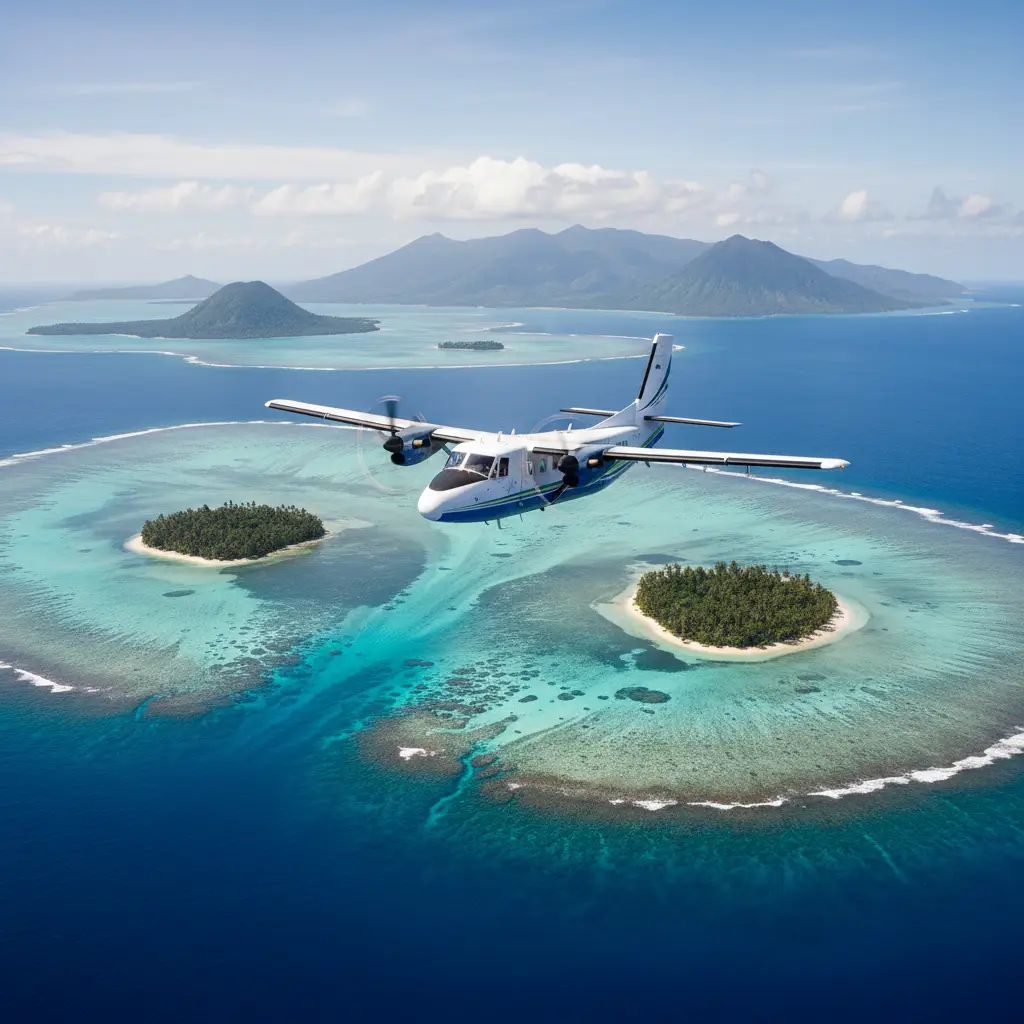
Australians traveling to Vanuatu for tourism do not require a pre-arranged visa. Upon arrival, Australian passport holders are granted a visitor permit valid for up to 30 days. This entry process is streamlined, requiring only a valid passport, proof of onward travel, and sufficient funds to support your stay in the archipelago.
Vanuatu remains one of the most accessible and alluring destinations for Australian travelers, offering a blend of rugged adventure and high-end luxury. For the discerning traveler from Sydney, Melbourne, or Brisbane, the proximity of this Pacific jewel is matched only by the simplicity of its entry requirements. As a member of the Commonwealth with deep-rooted ties to Australia, Vanuatu maintains a welcoming border policy that facilitates seamless travel for holidaymakers, business professionals, and prospective investors alike. Understanding the nuances of the Vanuatu visa for Australians is essential for ensuring a sophisticated and uninterrupted experience in this tropical paradise.
Do Australians Need a Visa for Vanuatu?
The short answer is no; Australian citizens do not need to apply for a visa before leaving Australia for a short-term holiday or business visit. Vanuatu operates a ‘Permit on Arrival’ system for several nations, with Australia being at the top of the list. This privilege is a result of long-standing bilateral agreements aimed at fostering tourism and economic exchange between the two nations. When you land at Bauerfield International Airport in Port Vila or Pekoa International Airport in Luganville, your entry is processed as a Visitor Permit rather than a traditional visa.
The Visitor Permit Explained
A Visitor Permit is specifically designed for individuals visiting Vanuatu for tourism, visiting friends or relatives, or engaging in light business activities such as attending conferences or exploring investment opportunities. It is important to distinguish this from a work permit. Under a Visitor Permit, Australians are strictly prohibited from taking up employment or engaging in any paid work within the Republic of Vanuatu. For high-value segments, this means you can comfortably scout for real estate or meet with local legal counsel regarding residency programs, provided no local income is generated during your stay.
Bilateral Privileges and Ease of Access
The ease of access for Australians is a cornerstone of Vanuatu’s tourism strategy. Unlike many other international destinations that require complex e-visas or embassy visits, the Vanuatu visa for Australians is essentially a stamp in your passport. This convenience reflects the high level of trust and the significant contribution Australian tourists make to the local economy. Whether you are arriving via a direct flight from Brisbane or on a private charter, the process remains standardized and efficient.

How Long Can Australians Stay in Vanuatu?
While the entry process is simple, there are strict regulations regarding the duration of your stay. The standard Visitor Permit granted upon arrival is valid for a maximum of 30 days. For most Australian vacationers, this is more than sufficient to explore the primary islands of Efate, Espiritu Santo, and Tanna. However, for those seeking a more immersive experience—perhaps a seasonal retreat in a private villa or a comprehensive exploration of the outer islands—the stay can be lengthened through official channels.
The 30-Day Initial Entry Rule
The 30-day rule is calculated from the date of entry stamped in your passport. It is a common misconception that the permit lasts for a full month regardless of the arrival date; in reality, it is exactly 30 calendar days. Travelers should be mindful of this when booking return flights, especially during months with 31 days. Overstaying a permit in Vanuatu is taken seriously by the Department of Immigration and can result in fines, detention, or future entry bans, which would be a significant setback for those with long-term interests in the region.
Calculating Your Stay and Planning Ahead
For Australians planning a multi-leg journey through the South Pacific, it is vital to ensure that your total time spent in Vanuatu does not exceed the allotted 30 days without an extension. If your itinerary involves leaving Vanuatu and returning (for example, a side trip to Fiji), your 30-day clock typically resets upon re-entry, provided you meet the entry requirements again. However, frequent ‘visa runs’ are monitored and may lead to questioning by immigration officials if they suspect you are attempting to live in the country without the appropriate residency status.
What Documents are Required for Entry?
To secure your Visitor Permit on arrival, you must present a specific set of documents to the immigration officer. While the process is generally fast, having your documentation organized in a professional manner ensures a smooth transition from the aircraft to your luxury transfer. The requirements are designed to prove that you are a bona fide visitor with the intent and means to return to Australia.
Passport Validity Requirements
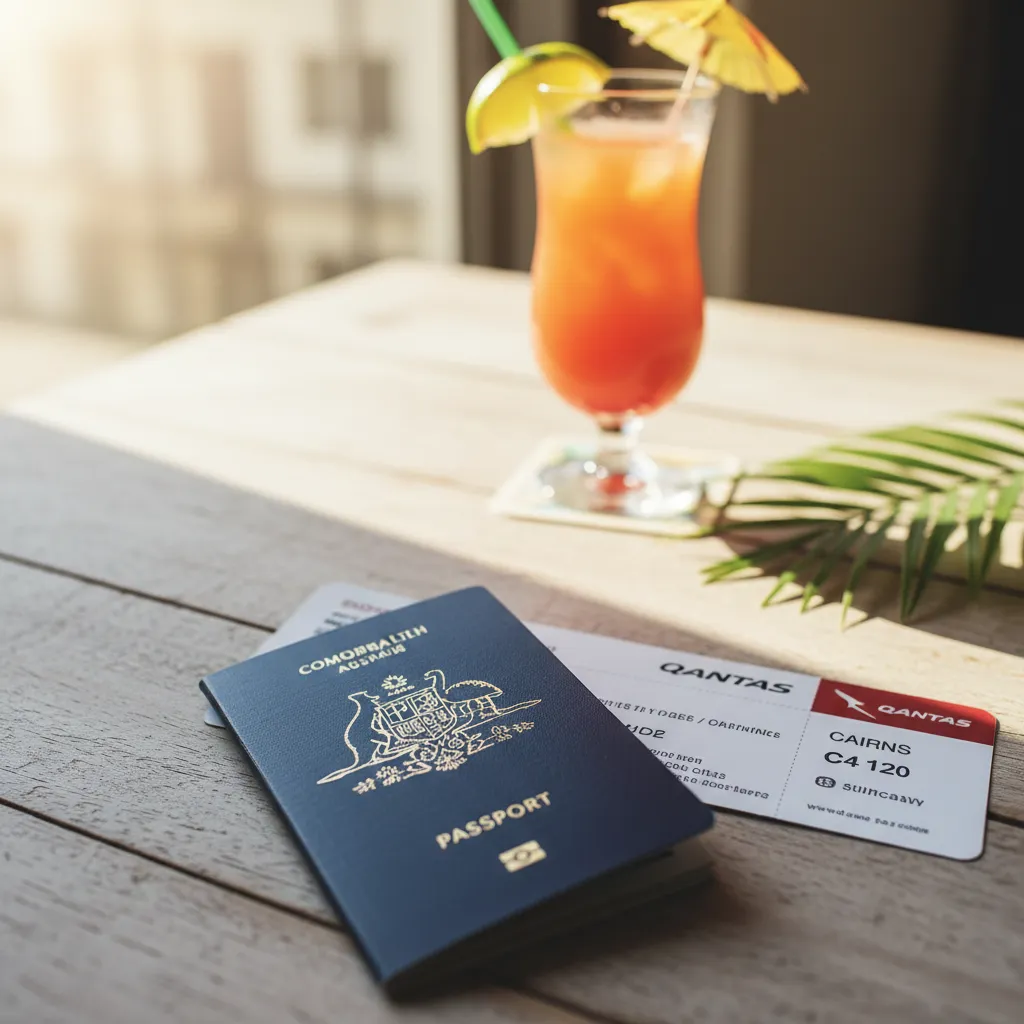
The most critical document is your Australian passport. It must be valid for at least six months beyond the date of your intended departure from Vanuatu. This is a non-negotiable international standard. If your passport is nearing its expiry date, it is highly recommended to renew it in Australia before your trip. Additionally, your passport must have at least one blank page for the entry and exit stamps. For frequent travelers, ensuring you have enough physical space in your passport is just as important as the expiry date.
Proof of Onward Travel
Vanuatu immigration officials require proof that you intend to leave the country. This usually takes the form of a confirmed return flight to Australia or an onward ticket to another international destination. For those arriving on private yachts or aircraft, different documentation regarding the vessel’s clearance and your planned departure route will be required. It is rare for a visitor to be granted entry without a clear exit plan, as the government seeks to prevent unsolicited long-term stays.
Financial Solvency and Accommodation
While often checked only at the discretion of the officer, you should be prepared to show evidence of sufficient funds for your stay. This can be in the form of recent bank statements or a valid credit card. Furthermore, you will be asked to provide the address of your accommodation. For the high-value segment, providing the name of a reputable resort or a private residence address is typically sufficient. You will also need to complete a Passenger Arrival Card, which is usually distributed during your flight.
How to Extend Your Vanuatu Visitor Permit
If 30 days is not enough to satisfy your Pacific wanderlust, Vanuatu offers a relatively straightforward extension process. Australians can extend their stay for up to four months in total (including the initial 30 days). This is particularly useful for those overseeing property developments, conducting extensive market research, or simply enjoying an extended sabbatical in the islands.
Where to Apply for an Extension
Extensions must be processed at the Vanuatu Department of Immigration offices. The primary office is located in the capital, Port Vila, on the island of Efate. There is also an office in Luganville on the island of Espiritu Santo. It is advisable to initiate the extension process at least one week before your initial 30-day permit expires. Walking into the office with an expired permit is considered a legal violation and complicates the process significantly.
Required Documentation for Extensions
To apply for an extension, you will need to submit a completed ‘Extended Visitor Permit’ application form. Along with the form, you must provide your passport, a copy of your return ticket showing the new departure date, and proof of additional funds to cover the extended stay. There is also a fee associated with the extension, which must be paid in the local currency, Vatu (VUV). As of the latest regulations, the fee is approximately 6,000 VUV for each month of extension, though these rates are subject to change and should be verified upon arrival.
Processing Times and Professionalism
The processing time for a visa extension can vary from a few hours to several days depending on the volume of applications. For high-value travelers, engaging a local concierge or legal representative can streamline this process, allowing you to remain at your resort while the paperwork is handled. Once approved, a new stamp or sticker will be placed in your passport, officially extending your legal stay in the country.
Residency and Investment Options for High-Value Segments
For many Australians, a short-term visit to Vanuatu is the catalyst for a long-term connection. Vanuatu offers several residency pathways that are highly attractive to investors and retirees seeking a tax-efficient environment or a secondary residence in a pristine location. The ‘vanuatu visa for australians’ can thus evolve from a simple visitor permit into a permanent residency status.
The Vanuatu Development Support Program (DSP)
The Development Support Program is one of the fastest citizenship-by-investment programs in the world. While not a visa in the traditional sense, it allows Australians to obtain Vanuatu citizenship through a significant financial contribution to the government’s development fund. This program is particularly popular among high-net-worth individuals due to Vanuatu’s favorable tax regime, which includes no personal income tax, no wealth tax, and no inheritance tax. Citizenship granted under the DSP provides a permanent right to live and work in the country.
Business and Investor Visas
For those not seeking citizenship but wishing to remain in Vanuatu for business purposes, the Investor Visa is an excellent option. This requires a minimum investment in a local business or real estate project, certified by the Vanuatu Investment Promotion Authority (VIPA). Additionally, there is a ‘Self-Funded’ residency visa for retirees or individuals who can prove a consistent foreign income. These visas typically last for one to ten years and are renewable, providing a stable foundation for Australians looking to integrate into the Vanuatu community.

Customs, Biosecurity, and Arrival Procedures
Vanuatu’s ecosystem is fragile, and the government maintains strict biosecurity laws to protect its flora, fauna, and agricultural industry. As an Australian, you may be familiar with the rigors of Australian Border Force; Vanuatu’s Biosecurity department operates with similar diligence. Understanding what you can and cannot bring into the country is vital for a hassle-free arrival.
Prohibited Items and Mandatory Declarations
All food, plant materials, and animal products must be declared upon arrival. This includes seeds, fruit, meat, and even certain types of wooden souvenirs. Failure to declare these items can lead to immediate on-the-spot fines. Vanuatu is particularly protective of its kava and coconut industries, so any items that could carry pests or diseases affecting these crops are strictly controlled. If you are unsure about an item, it is always better to declare it to a biosecurity officer.
Duty-Free Allowances for Australians
Travelers over the age of 18 are entitled to a duty-free allowance. This typically includes 250 cigarettes (or 250g of tobacco), 2.25 liters of wine, and 1.5 liters of spirits. Additionally, you can bring in up to 100ml of perfume. For those staying in luxury self-catering villas, it is worth noting that high-quality spirits and wines can be expensive in local shops, so utilizing your duty-free allowance at the airport is a strategic move. However, ensure that your purchases comply with both Vanuatu’s import laws and Australia’s export regulations.
Practical Travel Advice for a Sophisticated Stay
Beyond the legalities of the Vanuatu visa for Australians, several practical considerations will enhance your travel experience. From currency management to health precautions, being well-prepared allows you to focus on the beauty and culture of the islands.
Health, Insurance, and Safety
While Vanuatu is generally a safe destination, comprehensive travel insurance is mandatory for the high-value traveler. Ensure your policy covers medical evacuation, as complex medical issues may require transport back to Australia. Malaria is present in some outer islands, though the risk in Port Vila and Luganville is low. Consult your GP in Australia regarding vaccinations and preventative measures at least six weeks before departure.
Currency, Banking, and Connectivity
The local currency is the Vatu (VUV). While major resorts and restaurants in Port Vila accept credit cards (Visa and Mastercard are most common), cash is essential for transactions in local markets or outer islands. Australian Dollars are sometimes accepted in tourist hubs, but the exchange rate is rarely favorable. For connectivity, local SIM cards from providers like Vodafone or Digicel offer reliable 4G coverage in urban areas, which is essential for staying connected to business interests back in Australia.

In conclusion, the Vanuatu visa for Australians is designed to be as welcoming as the Ni-Vanuatu people themselves. By respecting the 30-day limit, ensuring your documentation is impeccable, and understanding the pathways for extension or residency, you can enjoy everything this magnificent nation has to offer. Whether you are there for a week of world-class diving or a month of high-level investment meetings, Vanuatu provides a seamless and prestigious gateway to the South Pacific.
People Also Ask
Do Australians need a visa for Vanuatu?
No, Australian citizens do not need a pre-arranged visa for short-term visits. They are granted a Visitor Permit on arrival valid for up to 30 days, provided they have a valid passport and proof of onward travel.
How long can an Australian stay in Vanuatu?
Initially, Australians can stay for 30 days. This can be extended at the Vanuatu Immigration Department for up to a total of four months. For longer stays, residency or investment visas are required.
Can I work in Vanuatu on a visitor visa?
No, it is strictly illegal to engage in any form of paid employment in Vanuatu while on a Visitor Permit. Working without a proper work permit can lead to deportation and fines.
What are the passport requirements for Vanuatu?
Your Australian passport must be valid for at least six months from the date you intend to leave Vanuatu. It must also have at least one blank page for stamps.
How much does it cost to extend a Vanuatu visa?
The extension fee is approximately 6,000 Vatu (VUV) per month of the extension. Fees must be paid at the Immigration Department in Port Vila or Luganville.
Is there a departure tax for Australians leaving Vanuatu?
Most departure taxes are now included in the price of your airline ticket. However, it is always wise to check with your carrier or at the airport to see if any local fees apply for charter flights.