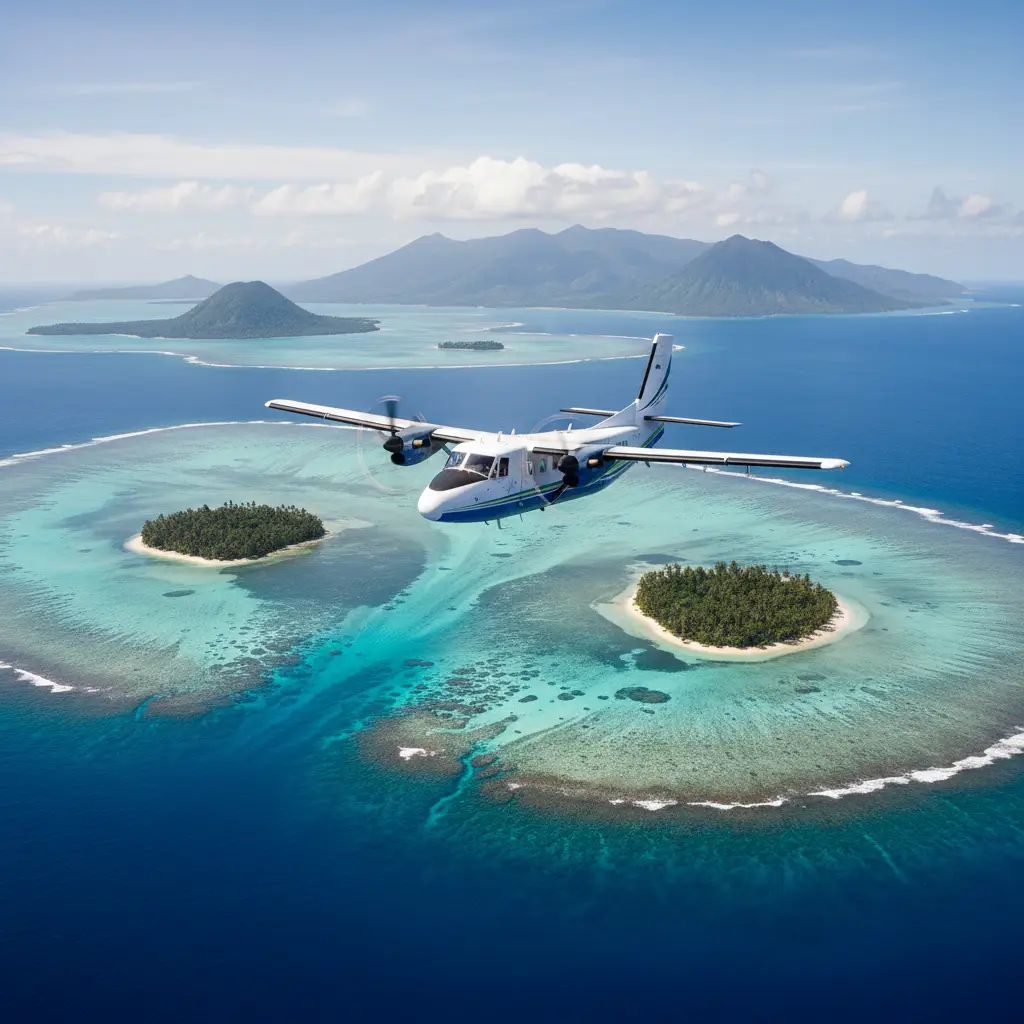
Vanuatu is widely considered a safe destination for international travelers, boasting a low crime rate and a friendly, respectful local population. While petty theft exists in busier hubs like Port Vila, violent incidents are extremely rare. Most visitors enjoy a secure experience by practicing basic situational awareness and respecting local traditions.
Is Vanuatu safe regarding crime?
For the high-value traveler from Australia or New Zealand, safety is often the primary concern when choosing a South Pacific destination. Fortunately, Vanuatu maintains a reputation as one of the safest nations in the region. The crime rate is significantly lower than in many Western metropolitan areas. However, as with any tourism-heavy destination, ‘crime of opportunity’ does exist. This typically manifests as petty theft, such as the snatching of bags or mobile phones in crowded markets or the theft of items left unattended on public beaches.
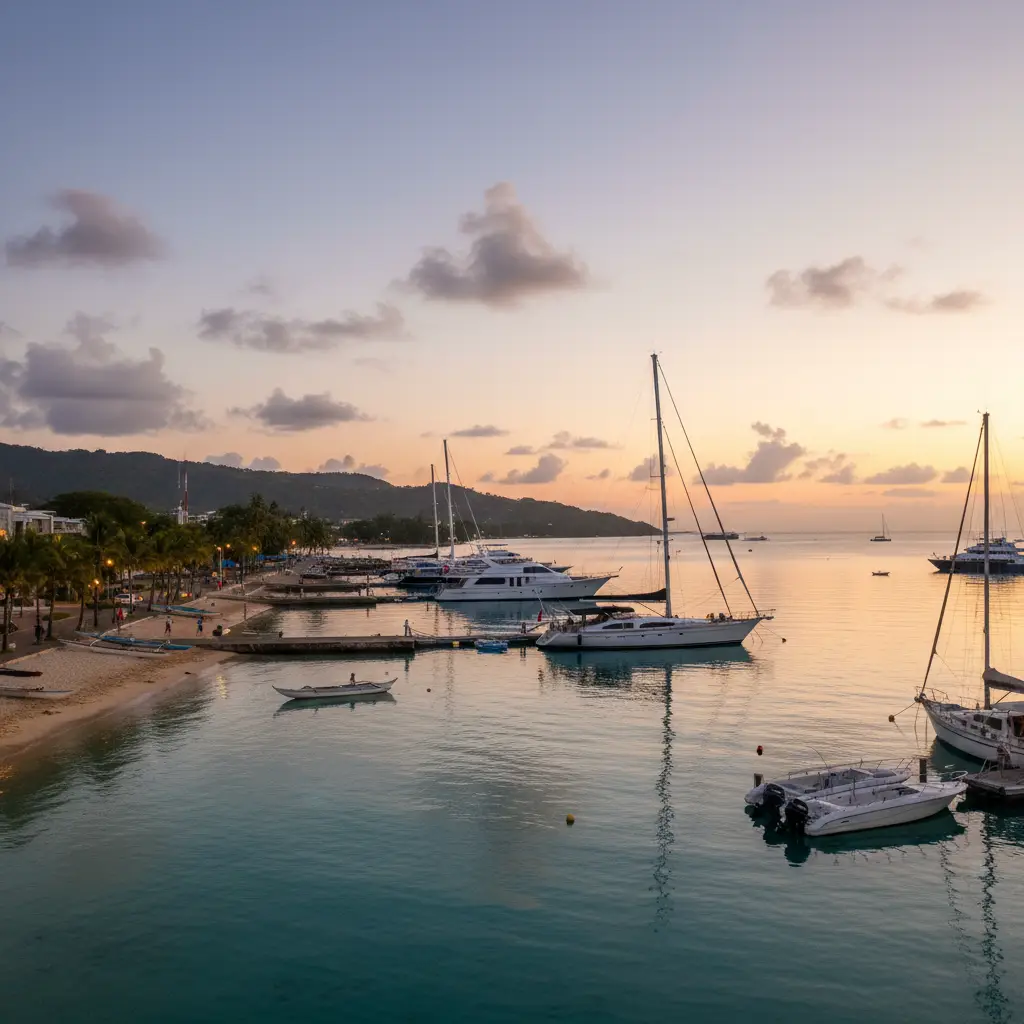
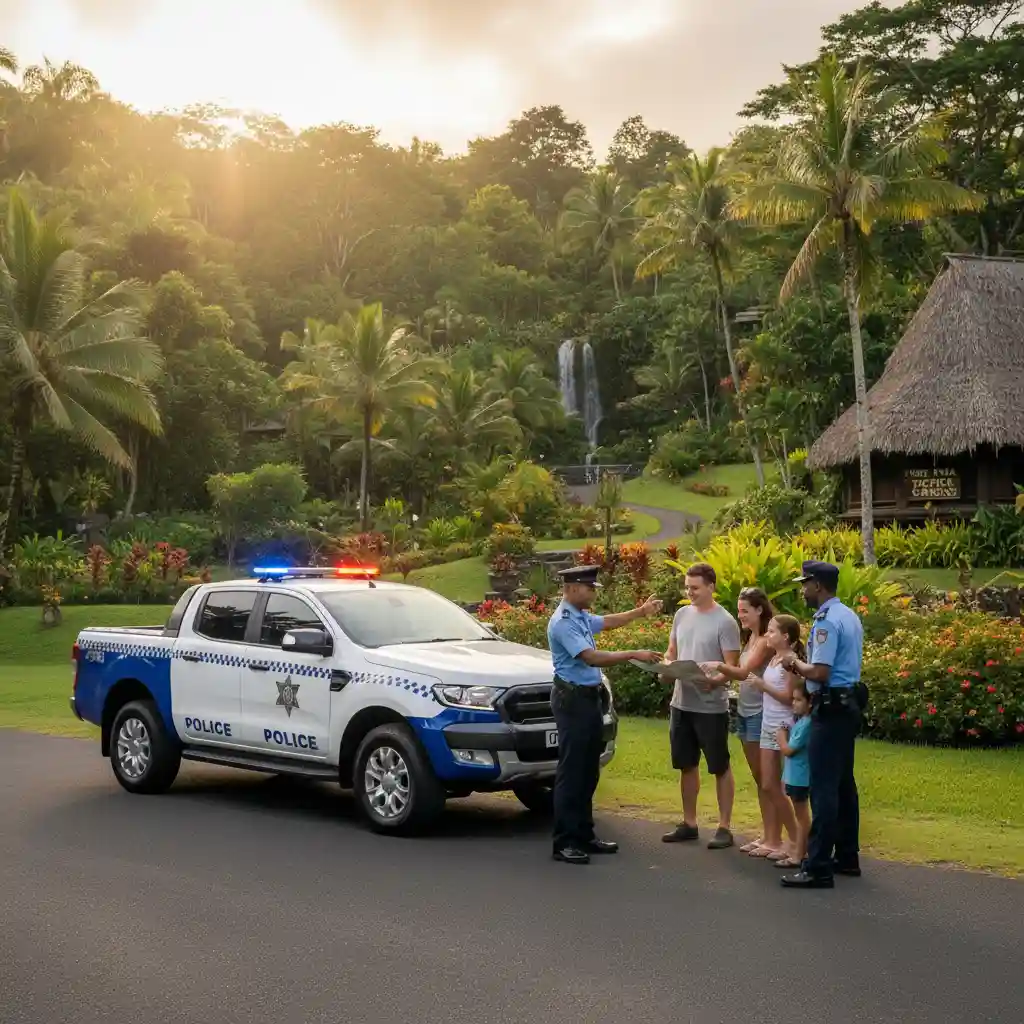
In Port Vila, the nation’s capital, the presence of the Vanuatu Police Force is visible, and the community is generally self-policing due to the strong influence of ‘Kastom’ (traditional law). When traveling to outer islands like Espiritu Santo or Tanna, the crime rate drops even further. In these communities, social cohesion is incredibly high, and visitors are often treated with a level of hospitality that is rare in the modern world. To ensure your safety, it is recommended to use hotel safes for passports and high-value electronics and to avoid walking alone in poorly lit areas of Port Vila late at night. For AU/NZ travelers, the level of caution required is no different than what one would exercise in Sydney, Auckland, or Brisbane.
What vaccinations are required for Vanuatu?
Health safety is a critical pillar of a successful trip. While Vanuatu does not currently require any mandatory vaccinations for entry (unless you are arriving from a country with a risk of Yellow Fever), several immunizations are highly recommended by health authorities in Australia and New Zealand. High-value travelers should consult a travel clinic at least six to eight weeks before departure to ensure their routine vaccines are up to date.

Key recommendations include Hepatitis A and Typhoid, both of which can be contracted through contaminated food or water. Hepatitis B is also recommended for those who might engage in activities that increase exposure risk. Furthermore, ensure your Tetanus, Diphtheria, and Pertussis (Tdap) vaccinations are current. Vanuatu is a tropical environment where minor cuts can quickly become infected; having a recent tetanus shot is a vital precaution. Regarding mosquito-borne illnesses, Vanuatu has made significant strides in eliminating Malaria, particularly in the southern provinces. However, Malaria remains a risk in some northern islands. More prevalent across the archipelago are Dengue Fever and the Zika virus. Since there are no vaccines for Dengue or Zika, the primary defense is avoiding mosquito bites by using high-quality DEET-based repellents and wearing long-sleeved clothing during dawn and dusk.
Is the water safe to drink in Vanuatu?
Water safety in Vanuatu varies significantly depending on your location. In Port Vila and Luganville, the municipal water supply is generally treated and considered safe for showering and brushing teeth. Many high-end resorts also install their own sophisticated filtration and UV sterilization systems, making the tap water in your villa safe for consumption. However, for those with sensitive stomachs or those traveling with young children, bottled water is widely available and recommended to avoid any risk of ‘traveler’s diarrhea.’
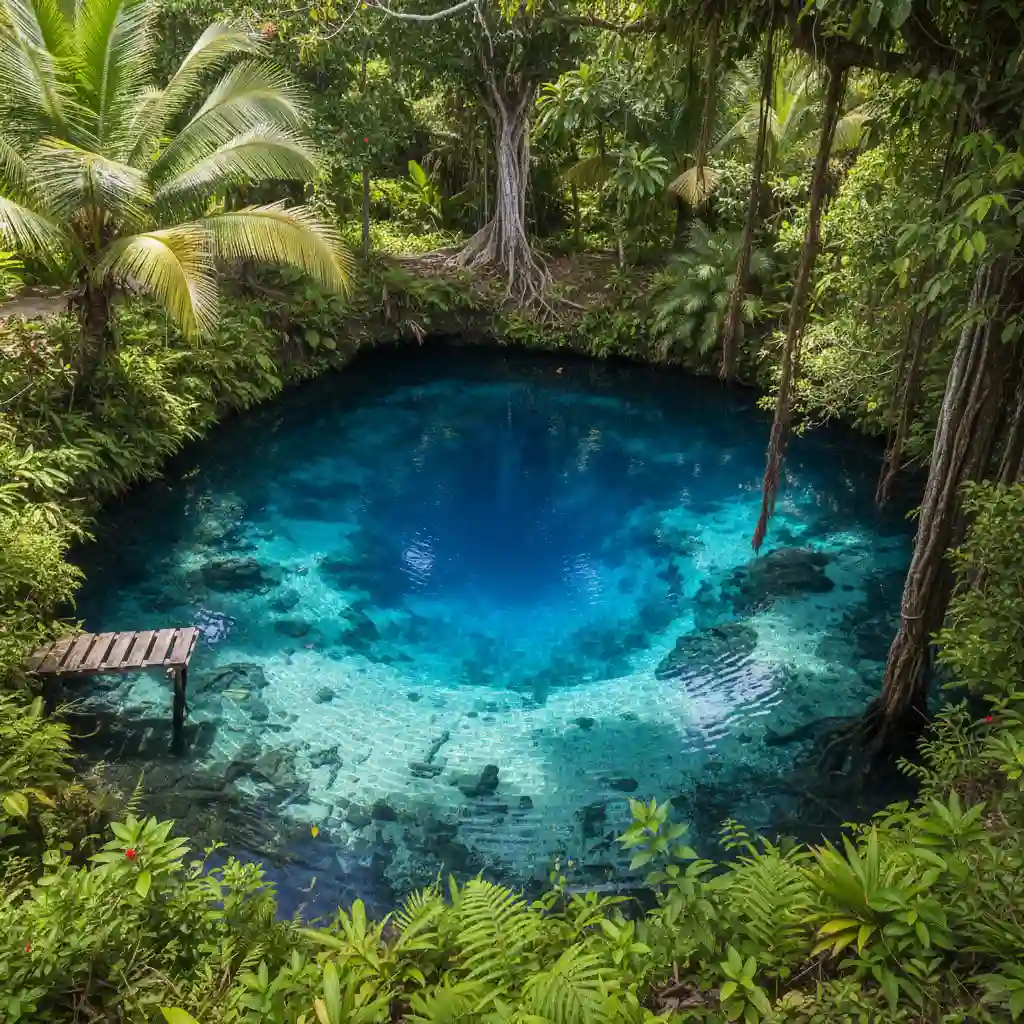
On the outer islands, the situation is different. Local communities often rely on rainwater tanks or groundwater wells. These sources may not be treated and can contain bacteria that international visitors are not accustomed to. Always use bottled or boiled water when outside the main urban hubs. Beyond drinking water, travelers should be aware of Ciguatera fish poisoning. This is caused by eating reef fish that have consumed certain toxins produced by microalgae. To stay safe, it is best to avoid eating large predatory reef fish like barracuda, moray eels, or large grouper. Pelagic fish such as tuna, mahi-mahi, and wahoo are generally safe and are staples of the high-end dining scene in Vanuatu.
How reliable are emergency services in Vanuatu?
Understanding the limitations of local infrastructure is essential for high-value segments who prioritize security. Vanuatu’s emergency services are centered in Port Vila. The main hospital, Vila Central, can handle routine emergencies and minor surgeries. However, for serious medical conditions or complex trauma, the facilities may not meet the standards expected by Australians or New Zealanders. This is why comprehensive travel insurance with a provision for medical evacuation (medevac) is non-negotiable.
ProMedical is a high-quality, 24-hour ambulance service operating in Port Vila and Luganville. It is a paramedical service that provides a standard of care comparable to AU/NZ services. In the event of a critical emergency, patients are typically stabilized and then flown to Brisbane or Auckland via private air ambulance. For police assistance, the general emergency number is 111. It is important to note that response times can be slower than in Western countries due to traffic and limited vehicle availability. For those staying at luxury resorts, the on-site security and management teams are usually the first point of contact and are well-trained in handling guest emergencies.
What natural disasters occur in Vanuatu?
Vanuatu is located on the ‘Pacific Ring of Fire’ and within the cyclone belt, meaning environmental safety is a factor to consider. The cyclone season typically runs from November to April. During this time, the risk of severe weather increases. High-value resorts are built to strict cyclone-resistant standards, and the Vanuatu Meteorology and Geo-Hazards Department provides excellent tracking and warning systems. If you are traveling during this window, it is vital to monitor local weather reports and follow the advice of your resort management.
Volcanic activity is another unique aspect of Vanuatu’s geography. Mount Yasur on Tanna Island is one of the world’s most accessible active volcanoes. While it is a major tourist draw, it is managed by a strict alert-level system. Travelers should only visit with authorized guides and respect all exclusion zones. Earthquakes are also frequent but are usually minor. Most modern buildings in Port Vila are designed to withstand seismic activity. While these natural events can sound daunting, the reality is that they are well-managed, and the risk to the average traveler is statistically very low.
Is it safe to drive in Vanuatu?
Transportation in Vanuatu offers its own set of safety considerations. Unlike Australia and New Zealand, people in Vanuatu drive on the right-hand side of the road. In Port Vila, the roads are generally paved but can be narrow and prone to potholes. Traffic can be congested during peak hours. If you choose to rent a car, ensure you are comfortable with right-hand driving and remain vigilant for pedestrians and livestock, which often wander onto the roads.
Public transport consists of privately owned mini-buses (identifiable by the ‘B’ on their license plate) and taxis (identifiable by the ‘T’). These are generally safe and very affordable. Taxis do not have meters, so it is essential to agree on a fare before starting your journey. For inter-island travel, Air Vanuatu is the primary carrier. While the airline has faced operational challenges recently, its safety record remains the focus of international aviation oversight. For water transport, always ensure that any boat or water taxi you board has visible life jackets and does not appear overloaded. The sea conditions in the channels between islands can change rapidly, and safety should always come before speed.
Conclusion: A Safe Haven for Discerning Travelers
Ultimately, the answer to “is Vanuatu safe” is a resounding yes. For the AU/NZ traveler, the risks are manageable and largely predictable. By securing comprehensive insurance, staying updated on vaccinations, and practicing the same common sense used at home, you can enjoy the pristine beauty and rich culture of Vanuatu with total peace of mind. The ‘Smiles of Vanuatu’ are genuine, and the nation remains one of the most welcoming and secure environments in the South Pacific.
Is Port Vila safe at night?
Yes, Port Vila is generally safe at night, particularly in the main tourist areas and waterfront. However, it is advisable to take a taxi rather than walking long distances alone after dark, especially in poorly lit residential suburbs.
Do I need malaria tablets for Vanuatu?
Malaria risk is low in Port Vila and the southern islands, but it is present in the northern provinces. Consult your doctor; many travelers find that strict mosquito bite prevention is sufficient for short stays in luxury resorts.
Can you drink the tap water in Vanuatu?
In Port Vila, the tap water is treated and generally safe for hygiene. However, most international travelers prefer bottled water for drinking to avoid any potential stomach upset caused by different mineral contents.
Is Vanuatu safe for solo female travelers?
Vanuatu is very safe for solo female travelers. Local culture is respectful. Standard precautions apply: avoid isolated areas at night and be mindful of local dress codes (modesty is appreciated) when visiting rural villages.
What are the biggest risks in Vanuatu?
The biggest risks are environmental (cyclones during the wet season) and health-related (mosquito-borne illnesses and coral cuts). Crime is a much lower risk compared to these natural and biological factors.
Are there sharks in Vanuatu?
Like all Pacific islands, sharks inhabit the surrounding waters. However, shark attacks are extremely rare. Most snorkeling and diving sites are within protected reefs where encounters with dangerous species are highly unlikely.