Car rental in Port Vila offers the ultimate freedom to explore Efate’s hidden beaches and blue lagoons at your own pace. By securing a vehicle through reputable international or local agencies, travelers can navigate the island’s unique right-hand drive system, ensuring a seamless, high-value experience tailored to Australian and New Zealand luxury standards.
Which are the best car rental agencies in Port Vila?
For the discerning traveler from Australia or New Zealand, selecting the right car rental provider in Port Vila is the first step toward a successful island adventure. The market is divided between globally recognized brands and established local operators, each offering different value propositions. International brands like Hertz, Avis, and Europcar maintain desks at Bauerfield International Airport (VLI) and in the Port Vila town center. These agencies are often preferred by high-value segments due to their standardized maintenance protocols, modern fleets, and familiar booking systems.
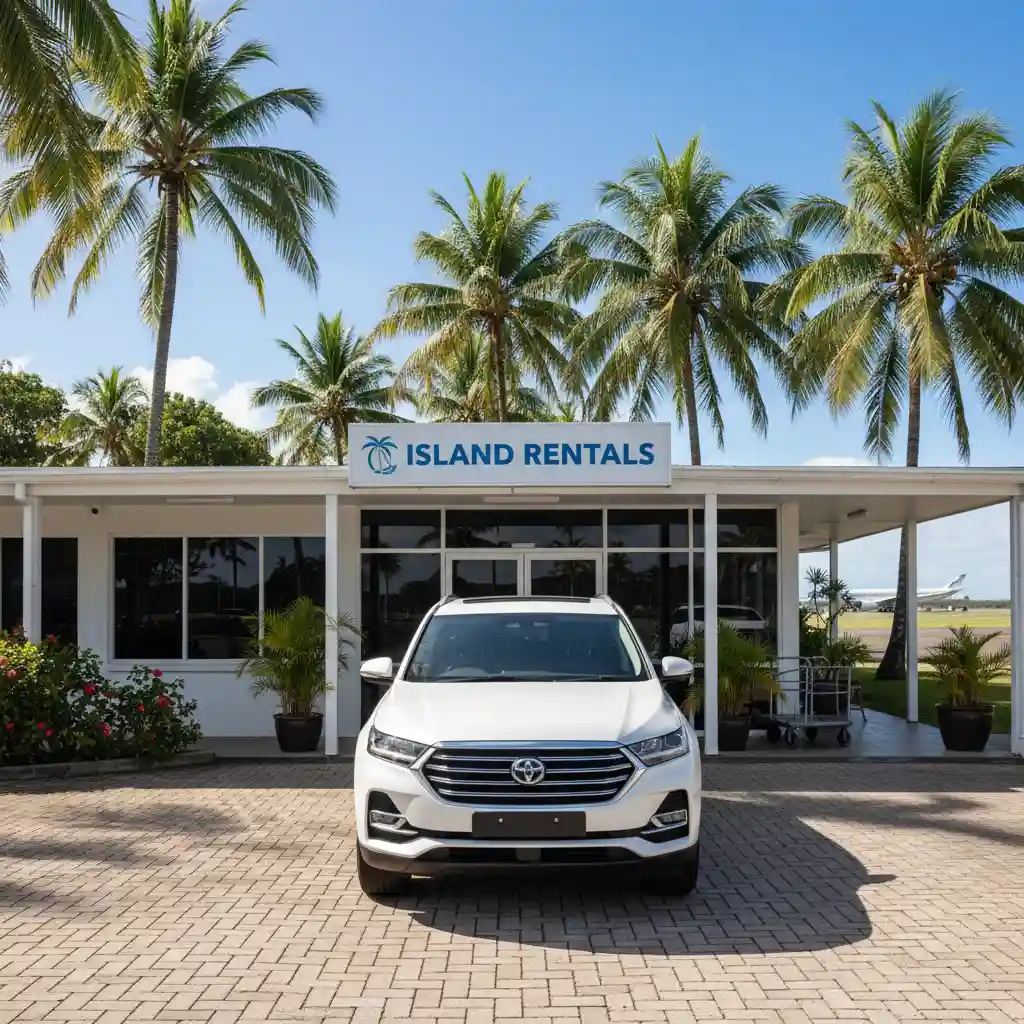
Local agencies, such as World Car Rentals and 16 Degrees South, provide a more personalized touch and often have a deeper inventory of rugged 4WD vehicles. When choosing an agency, it is vital to check if they offer airport pick-up and drop-off services, as taxi fares from the airport to downtown can be high. For those staying at luxury resorts like The Havannah or Eratap, some agencies will even deliver the vehicle directly to your accommodation. Always inspect the vehicle for existing scratches or dents before departing and ensure the air conditioning is fully functional, as the Vanuatu humidity can be intense.
What are the driving rules in Vanuatu?
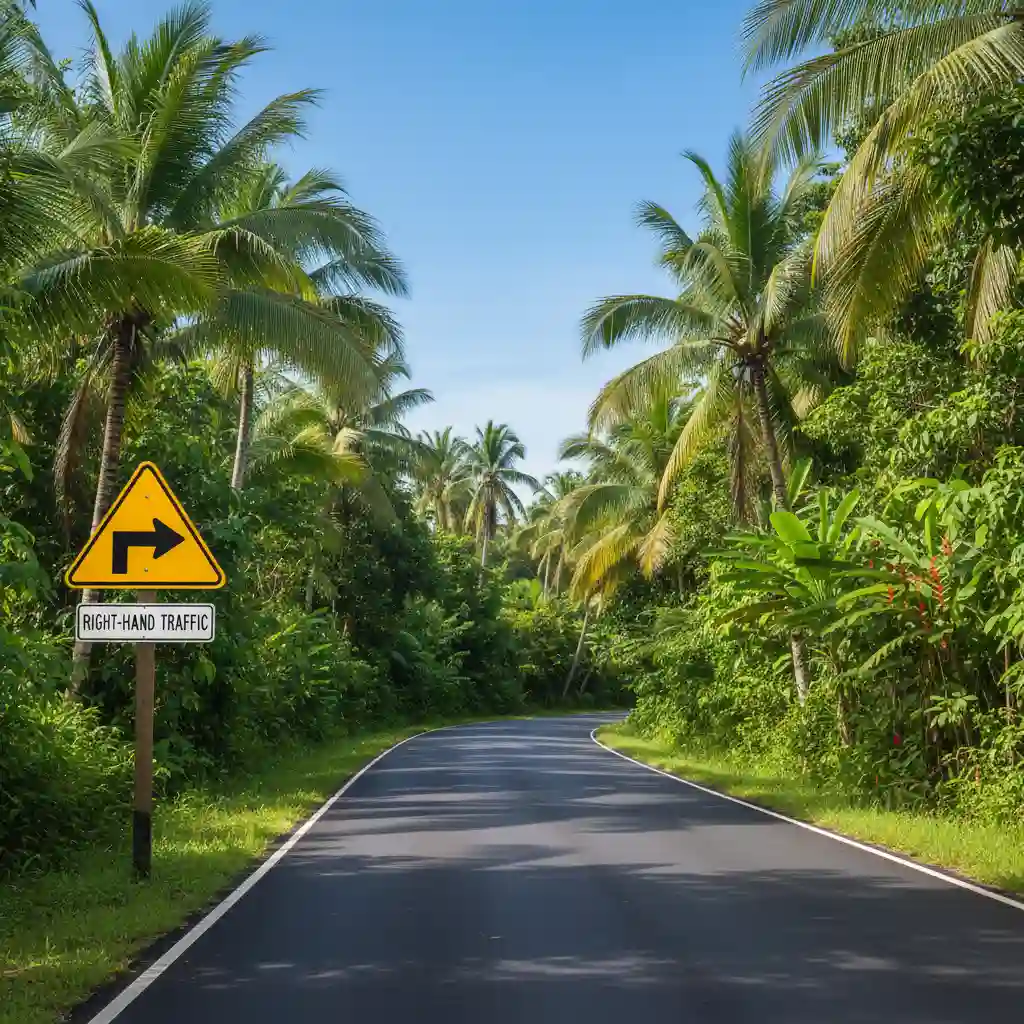
One of the most critical aspects of car rental in Port Vila for AU and NZ drivers is the shift in driving orientation. Unlike Australia and New Zealand, traffic in Vanuatu moves on the right-hand side of the road. This can be a significant adjustment for those used to right-hand drive vehicles and left-hand traffic. Most rental cars in Port Vila are left-hand drive, meaning the steering wheel is on the left side of the cabin and gear shifts are handled with the right hand. It is recommended to take a few practice laps around a quiet parking area to acclimate to the spatial dimensions of the car.
Speed limits are strictly enforced but generally lower than what travelers might expect. In the Port Vila urban area, the limit is typically 50km/h, while on the open roads of the Ring Road (the main highway circling Efate), it increases to 80km/h. Give way to traffic coming from the right at roundabouts, which are common in the town center. It is also important to note that seatbelts are mandatory for all passengers, and mobile phone use while driving is prohibited. Vanuatu has a zero-tolerance approach to drink-driving; the legal blood alcohol limit is very low, and police checkpoints are frequent, especially on weekends.
What are the road conditions like in Port Vila and Efate?
The road conditions in Vanuatu vary significantly depending on your proximity to the capital. Within Port Vila, the main roads are paved but can suffer from congestion during peak hours (early morning and late afternoon). Potholes are a common occurrence, especially after heavy tropical downpours, requiring constant vigilance. The famous ‘Ring Road’—a 130km paved loop around the island of Efate—is generally in excellent condition, having been upgraded with international aid. This road provides smooth access to the island’s primary tourist attractions.
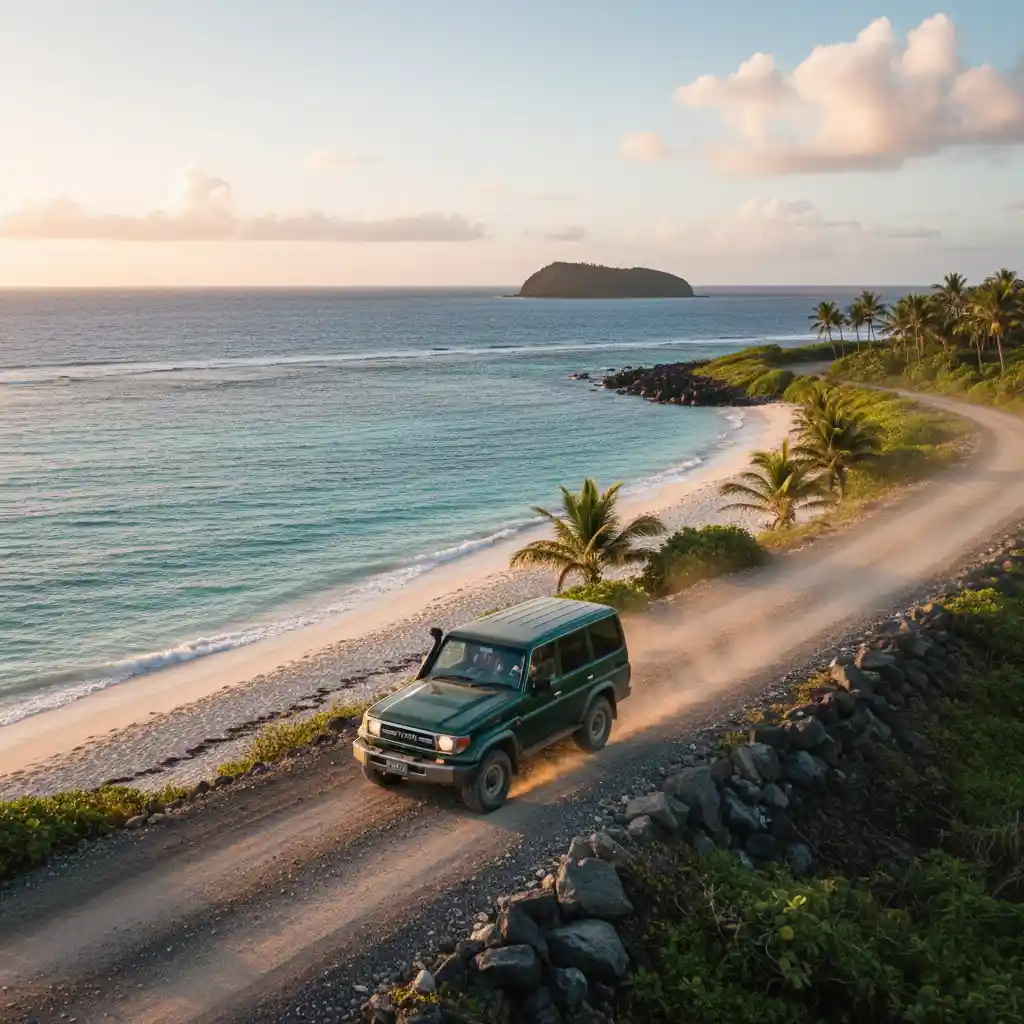
However, once you venture off the main highway to reach secluded beaches or boutique eco-resorts, the terrain changes rapidly. Secondary roads are often unsealed, consisting of crushed coral, volcanic ash, or dirt. These paths can become muddy and slippery during the wet season (November to April). For travelers planning to explore the northern or eastern coasts in depth, renting a 4WD or a high-clearance SUV is highly recommended. Additionally, be prepared for ‘island hazards’ such as stray livestock, dogs, and pedestrians walking along the shoulder of the road, as sidewalks are rare outside the town center.
What car rental insurance do I need in Vanuatu?
Navigating insurance options is vital for a stress-free car rental in Port Vila. Most standard rental agreements include a basic Collision Damage Waiver (CDW), but this usually comes with a high excess (deductible), often ranging from 150,000 to 300,000 Vatu (approximately $2,000 to $4,000 AUD). For high-value travelers, it is often worth paying the daily premium for ‘Excess Reduction’ or ‘Super CDW’ to bring this liability down to zero or a nominal amount. Given the prevalence of gravel roads, specific coverage for windscreen chips and tire punctures is also advisable.
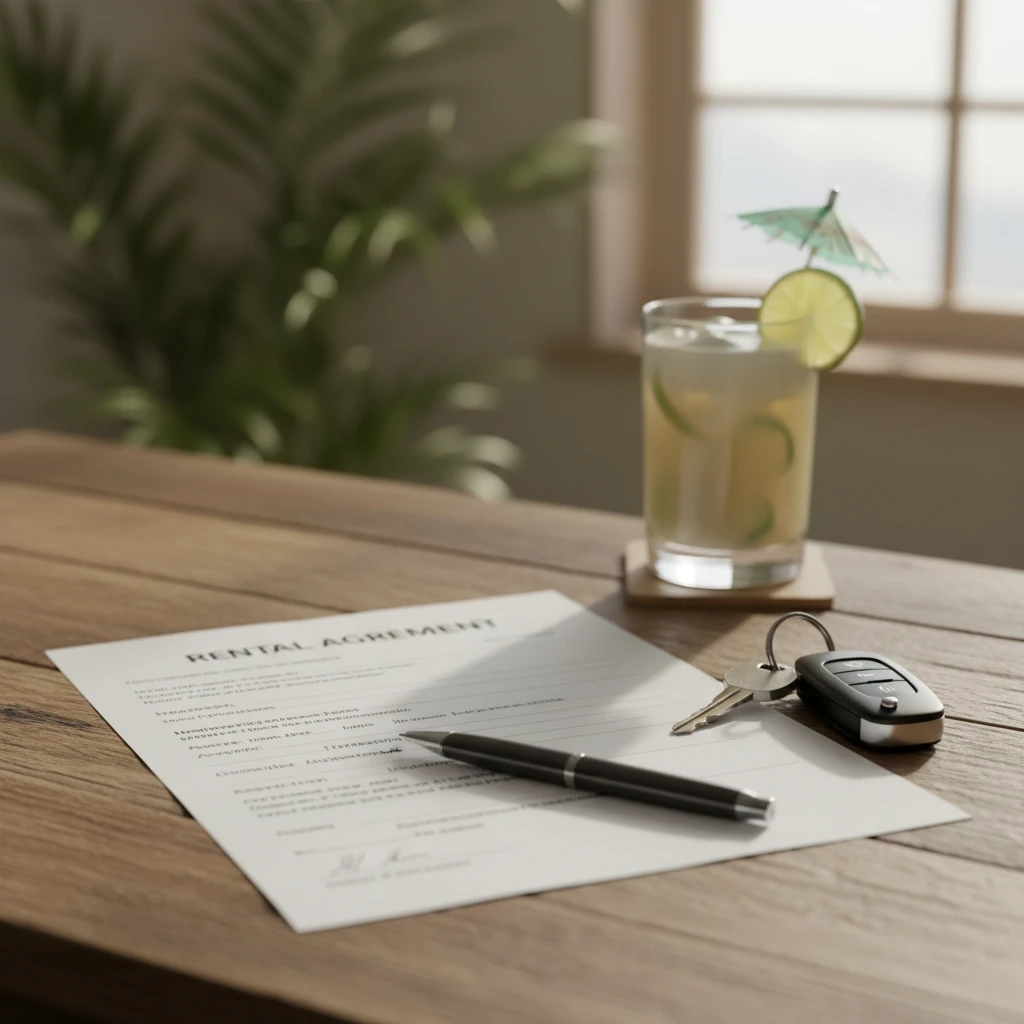
Before relying on your credit card’s complimentary travel insurance, verify that it specifically covers ‘4WD’ or ‘off-road’ driving if you plan to leave the paved Ring Road. Many policies exclude damage sustained on unsealed roads. Furthermore, ensure your rental agreement includes third-party liability insurance, which is mandatory in Vanuatu. Always keep a copy of the rental agreement and the insurance contact numbers in the glove box. In the event of an accident, you must contact the police immediately to obtain a report for insurance purposes.
Where can I find fuel and how do I navigate?
Fuel stations are plentiful in Port Vila and along the immediate outskirts, with major brands like Pacific Energy and Vital (Origin) being the most common. However, once you leave the Port Vila area to drive the Ring Road, fuel stations become extremely scarce. It is a cardinal rule of driving in Efate to start your journey with a full tank. Most petrol stations are not self-service; an attendant will fill the car for you, and while many accept credit cards, it is always wise to carry enough Vatu (cash) in case the card terminal is offline.
Navigation in Port Vila is relatively straightforward, but digital maps are essential for finding hidden gems. Google Maps is generally reliable for the main roads, but it may occasionally suggest ‘shortcuts’ that are actually impassable bush tracks. We recommend downloading offline maps of Efate before you arrive. Physical maps are often available at the Vanuatu Tourism Office in town. For a truly high-end experience, many rental agencies now offer vehicles equipped with GPS units or local SIM cards with data, ensuring you stay connected even in more remote areas of the island.
Top Self-Drive Destinations around Efate
Renting a car unlocks the best of Efate beyond the cruise ship crowds. A popular day trip is the drive to the Mele Cascades, located just 15 minutes from Port Vila. Continuing north, you can visit the Tanoliu village for a glass-bottom boat tour or stop at the Havannah Harbour for a world-class lunch overlooking the water. The east side of the island is home to the stunning Blue Lagoon, a natural swimming hole filled with iridescent spring water, and Eton Beach, known for its white sands and calm reef-protected waters. Having your own vehicle allows you to arrive early at these spots, beating the tour buses and enjoying the serenity of the islands in private. For those interested in history, the WWII museum and relic sites near Quoin Hill are easily accessible by car but rarely visited by standard tours.
Is car rental in Port Vila worth it for families?
Absolutely. For families traveling from Australia or New Zealand, a rental car provides the flexibility to manage nap times, pack extra gear for snorkeling, and stop for snacks whenever needed. It eliminates the stress of negotiating taxi fares for multiple people and allows for a more relaxed, self-paced exploration of the island’s many child-friendly attractions.
Final Tips for a Smooth Experience
To ensure a premium experience, always book your car rental in Port Vila well in advance, especially during the peak AU/NZ school holiday periods. Double-check your driver’s license requirements; while a valid English-language license is usually sufficient, some agencies may prefer an International Driving Permit. Lastly, remember that ‘island time’ applies to everything—including car rentals. Be patient, stay hydrated, and enjoy the unparalleled beauty of driving through one of the South Pacific’s most diverse landscapes.
Do I need an international driver’s license in Vanuatu?
If your license is in English (like those from Australia or New Zealand), you generally do not need an International Driving Permit for a short-term rental. However, you must have held your full license for at least one or two years, depending on the agency’s specific policy.
Which side of the road do they drive on in Vanuatu?
In Vanuatu, traffic drives on the right-hand side of the road. This is a legacy of the French influence during the colonial period. This is the opposite of Australia and New Zealand, so extra care is required at intersections.
Is a 4WD necessary for driving in Port Vila?
For driving strictly within Port Vila and on the main Ring Road, a standard sedan or compact car is sufficient. However, if you plan to visit remote beaches, blue lagoons, or inland plantations, a 4WD or SUV is highly recommended due to unpaved and uneven terrain.
What should I do in case of a car breakdown?
Most reputable rental agencies provide a 24-hour emergency roadside assistance number. Ensure you have this number saved before leaving the rental lot. In remote areas, mobile coverage may be spotty, so it is helpful to know where the nearest village is located.
Are there many petrol stations outside of Port Vila?
No, petrol stations are very rare outside the Port Vila urban area. It is essential to fill your tank completely before heading out on a trip around Efate to avoid running out of fuel in remote sections of the Ring Road.
Is it safe to drive at night in Port Vila?
While generally safe, driving at night is not recommended for tourists. Street lighting is limited outside the town center, and hazards like potholes, pedestrians in dark clothing, and stray animals become much harder to spot after sunset.