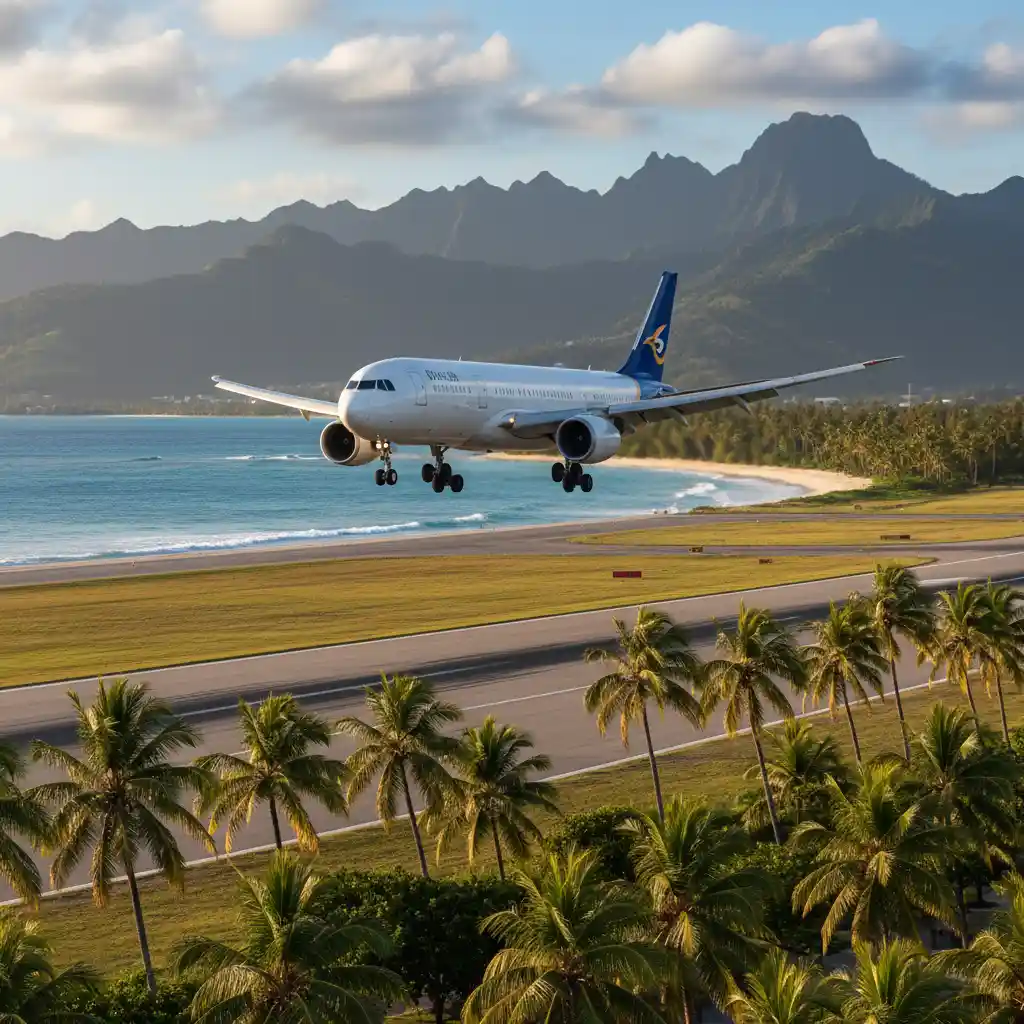
Air Vanuatu domestic flights are the primary mode of transportation for travelers exploring the archipelago’s 83 islands. Operating out of Port Vila and Luganville, these flights connect major hubs like Tanna and Santo with remote outposts, utilizing a fleet of ATR-72 and Twin Otter aircraft to provide essential access for tourism and local commerce.
Understanding the Air Vanuatu Domestic Network
For the discerning traveler from Australia or New Zealand, the true magic of Vanuatu lies beyond the capital of Port Vila. To reach the world-class diving of Espiritu Santo or the glowing rim of Mount Yasur on Tanna, navigating the Air Vanuatu domestic flights network is essential. As the national flag carrier, Air Vanuatu operates a comprehensive hub-and-spoke system that bridges the geographical gaps between the islands of this Y-shaped archipelago. The network is anchored by two main hubs: Bauerfield International Airport (VLI) in Port Vila and Pekoa International Airport (SON) in Luganville.

The fleet utilized for domestic operations is specifically chosen for the unique terrain of the islands. For high-demand routes between Port Vila and Santo or Tanna, the airline typically employs the ATR 72-600. This turboprop aircraft offers a pressurized cabin, overhead lockers, and a level of comfort familiar to regional travelers in AU/NZ. However, for the more remote outer islands like Pentecost, Malekula, or Gaua, the workhorse is the de Havilland Canada Twin Otter. These unpressurized, STOL (Short Take-Off and Landing) aircraft are capable of landing on grass strips and provide a more visceral, adventurous flying experience with breathtaking low-altitude views of the reef systems below.
Primary Hubs and Secondary Airstrips
Port Vila serves as the gateway for most international arrivals from Sydney, Brisbane, Melbourne, and Auckland. Most domestic transfers occur here, often requiring a short walk from the international terminal to the adjacent domestic terminal. Luganville on Espiritu Santo acts as the secondary hub, facilitating northern routes to the Banks and Torres Islands. Understanding this structure is vital for itinerary planning, as reaching a northern island from a southern one almost always necessitates a transit through Port Vila.
How to Book Air Vanuatu Domestic Flights
Booking domestic flights in Vanuatu requires a blend of modern digital convenience and traditional flexibility. While Air Vanuatu offers an online booking engine, high-value travelers often find that working with a specialized travel consultant or booking directly through the airline’s local offices can yield better results for complex multi-island itineraries. For those coming from Australia or New Zealand, it is highly recommended to book domestic legs in conjunction with international tickets. This often secures a better baggage allowance and provides protection in the event of international delays.

Fares are generally divided into different classes, though the physical seats are identical. The primary difference lies in flexibility. ‘Refundable’ or ‘Changeable’ fares are worth the premium in a region where tropical weather can occasionally disrupt schedules. It is also important to note that domestic flights can fill up quickly during peak seasons, such as the Australian and New Zealand winter school holidays (June-July) and the Christmas period. Booking at least 3-4 months in advance is advised for these windows.
The Multi-Island Strategy
If you plan on visiting more than two islands, consider the logistical flow. A common high-value route is Port Vila – Tanna – Port Vila – Espiritu Santo – Port Vila. While it involves returning to the capital, it minimizes the risk of being stranded on an outer island with less frequent service. Always allow for a ‘buffer day’ in Port Vila before your international flight home to account for any domestic scheduling changes.
Baggage Allowances and Weight Restrictions
One of the most critical aspects of Air Vanuatu domestic flights is the strict adherence to baggage weight limits. Unlike international flights where a few extra kilograms might be overlooked, the small aircraft used for inter-island hops are highly sensitive to weight and balance for safety reasons. For the ATR-72 aircraft, the standard checked baggage allowance is typically 15kg. However, on the smaller Twin Otter aircraft servicing remote islands, this limit often drops to 10kg.
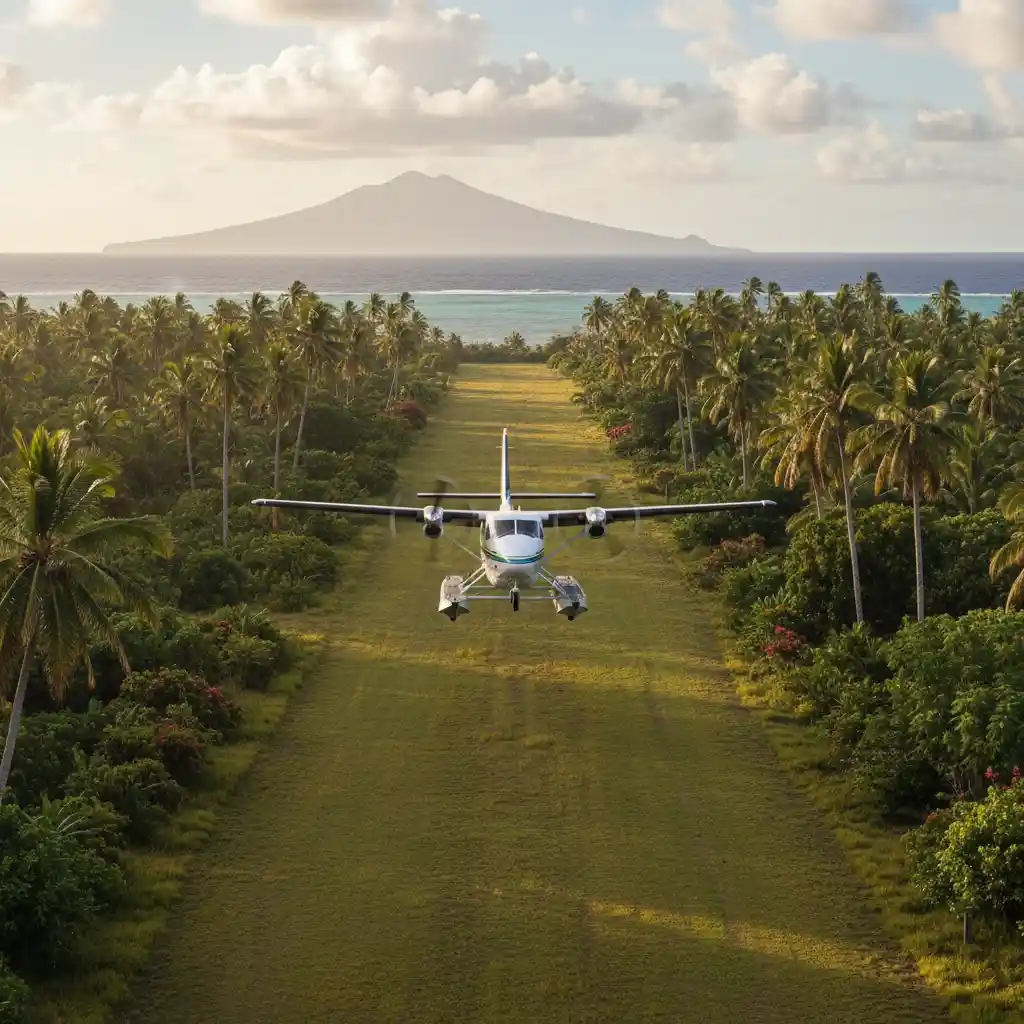
Carry-on baggage is also limited, usually to 3kg or 5kg, and must be able to fit in very small overhead compartments or under the seat. On Twin Otters, there are no overhead lockers, so all carry-on items are often placed in the rear cargo hold with the checked bags. Travelers are encouraged to use soft-sided duffel bags rather than hard-shell suitcases, as they are easier to pack into the tight confines of a small aircraft’s cargo pod. If you are carrying heavy photographic equipment or diving gear, you must declare this at the time of booking and be prepared to pay excess baggage fees, which are calculated per kilogram.
Managing Excess Weight
If you find yourself over the limit, Air Vanuatu does allow for excess baggage, but it is subject to space availability. On a full flight, your excess bags may be ‘offloaded’ and sent on the next available flight. For high-value travelers, the best strategy is to leave non-essential items (like heavy city clothes or large suitcases) in the luggage storage facilities at your Port Vila hotel while you venture out to the islands with a smaller, lighter bag.
Popular Island Hopping Routes
Vanuatu offers a diverse range of experiences, and the domestic flight network is the key to unlocking them. Each island has its own distinct personality and ‘must-see’ attractions. For those seeking the ultimate Vanuatu experience, several routes stand out as the most popular and rewarding.
The Volcano Run: Port Vila to Tanna
The flight to Tanna (Whitegrass Airport) is perhaps the most iconic. Lasting approximately 45 minutes, it transports you from the relative urbanity of Port Vila to the raw, primordial landscape of Mount Yasur. This route is serviced frequently, often with multiple flights per day, making it the most accessible outer-island experience for those on a tight schedule. The approach into Tanna offers stunning views of the coastline and the volcanic ash plains.
The Adventure Hub: Port Vila to Espiritu Santo
Espiritu Santo is the largest island in Vanuatu and a mecca for divers and nature lovers. Flights to Luganville take about 50 minutes. From here, travelers can access the famous SS President Coolidge wreck, the stunning Blue Holes, and Champagne Beach. Because Santo is a major hub, it is the only other island besides Efate (Port Vila) that can accommodate the larger ATR-72 aircraft regularly, ensuring a comfortable journey.
Cultural Immersion: The Outer Islands
For those looking to witness the famous Nagol (land diving) on Pentecost Island or the complex traditional cultures of Malekula, the flights become more adventurous. These routes are serviced by Twin Otters and may involve ‘milk run’ stops where the plane lands at multiple small airstrips to drop off and pick up passengers. It is a unique way to see the country, but requires a more relaxed attitude toward timing and luxury.
Essential Travel Tips for Inter-Island Flights
Flying domestically in Vanuatu is an experience unlike flying in Australia or New Zealand. To ensure a smooth journey, travelers should adopt a mindset of ‘island time’ while remaining disciplined with their own logistics. Here are several professional tips for navigating the process.
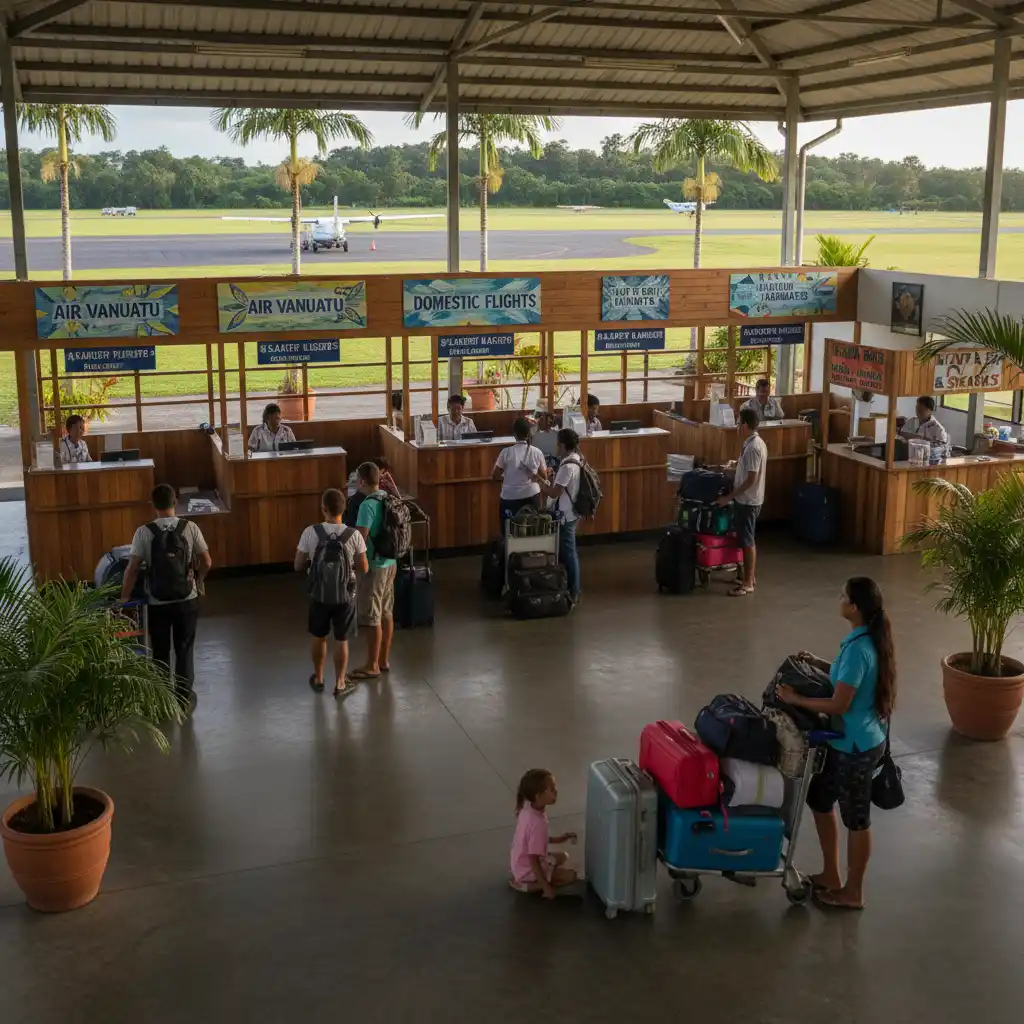
Firstly, always reconfirm your flights 24 hours in advance. While digital systems are improving, local schedules can change due to maintenance or weather. A quick phone call to the local Air Vanuatu office or asking your hotel reception to check can save a wasted trip to the airport. Secondly, arrive at the terminal at least 90 minutes before departure. Check-in for domestic flights is often a manual process, and the queues can move slowly.
In-Flight Comfort and Safety
On the smaller Twin Otter flights, be prepared for a warmer environment as these planes are not air-conditioned. Wear light, breathable clothing and keep a bottle of water handy. If you are prone to motion sickness, the smaller planes can be more susceptible to turbulence, so plan accordingly. However, the low altitude also means you have the best seat in the house for sightseeing; keep your camera ready for the spectacular reefs and volcanic peaks.
What to Expect at Domestic Terminals
The domestic terminals in Vanuatu range from the functional to the extremely rustic. In Port Vila and Luganville, you will find basic amenities including small kiosks selling snacks and drinks, toilets, and seating areas. However, once you venture to the outer islands, the ‘terminal’ might simply be a small wooden hut or even a sheltered bench under a tree near the airstrip.
Security procedures are generally more relaxed than international standards but still present. You will likely go through a basic bag check or metal detector in the main hubs. In the outer islands, there is typically no security screening. It is also worth noting that there are no lounges or high-end dining options in the domestic terminals, so high-value travelers should ensure they have had a meal or have snacks prepared before heading to the airport.
Weather and Reliability Considerations
The tropical climate of Vanuatu is the biggest variable in domestic flight schedules. During the wet season (November to April), heavy rain and tropical cyclones can lead to flight cancellations or delays. Even during the dry season, trade winds or low cloud cover can affect the ability of Twin Otters to land on unpaved strips. Air Vanuatu prioritizes safety above all else, and they will not fly if conditions are marginal.
For the AU/NZ traveler, the best advice is to build flexibility into your itinerary. Never book a domestic flight that arrives only a few hours before your international flight home. Ideally, spend your last night in Port Vila. This not only mitigates the risk of missing your connection but also allows for a final bit of souvenir shopping and a nice dinner at one of the capital’s high-end restaurants like Tilly’s or L’Houstalet.
People Also Ask
How much baggage is allowed on Air Vanuatu domestic flights?
The standard checked baggage allowance is 15kg for ATR-72 flights (to Santo and Tanna) and 10kg for Twin Otter flights to smaller islands. Carry-on is strictly limited to 3-5kg depending on the aircraft type.
Can I book Air Vanuatu domestic flights online?
Yes, you can book through the Air Vanuatu website. However, for complex itineraries involving multiple islands, it is often better to use a travel agent or contact the airline’s reservations desk directly.
Are there weight limits for passengers on small planes in Vanuatu?
While passengers are not typically weighed individually at the main hubs, on very small aircraft or remote strips, the ground crew may ask for your weight to ensure the aircraft is properly balanced.
What happens if my Air Vanuatu flight is delayed?
If a flight is delayed due to weather or mechanical issues, Air Vanuatu will generally rebook you on the next available service. However, they are not always liable for missed connections on other airlines, which is why travel insurance is essential.
Which islands can I fly to from Port Vila?
From Port Vila, you can fly directly to Tanna, Espiritu Santo, Malekula, Pentecost, Ambrym, Epi, and several other smaller islands in the Shefa and Tafea provinces.
Is there a discount for booking international and domestic flights together?
Often, yes. Air Vanuatu frequently offers ‘Vanuatu Airpass’ style pricing or better baggage allowances if the domestic segments are issued on the same ticket as your international flight from Australia or New Zealand.