Diving Vanuatu packages are comprehensive travel bundles designed for scuba enthusiasts, typically combining accommodation, airport transfers, and guided dive expeditions to premier sites like the SS President Coolidge and Million Dollar Point. These packages often include permit fees, tank hires, and specialized technical diving support, offering a seamless itinerary across the archipelago’s islands, primarily Espiritu Santo and Efate.
Vanuatu remains one of the South Pacific’s most alluring underwater frontiers. For the dedicated diver, a standard vacation itinerary simply will not suffice. To truly experience the tectonic drama, the historical wreckage of World War II, and the vibrant coral gardens, one must curate a trip specifically designed around nitrogen limits and surface intervals. Whether you are a technical diver looking to penetrate the engine room of a massive troop carrier or a recreational diver seeking pristine visibility, securing the right diving Vanuatu packages is the first step toward an unforgettable expedition.
Basing Yourself in Luganville: The SS President Coolidge Experience
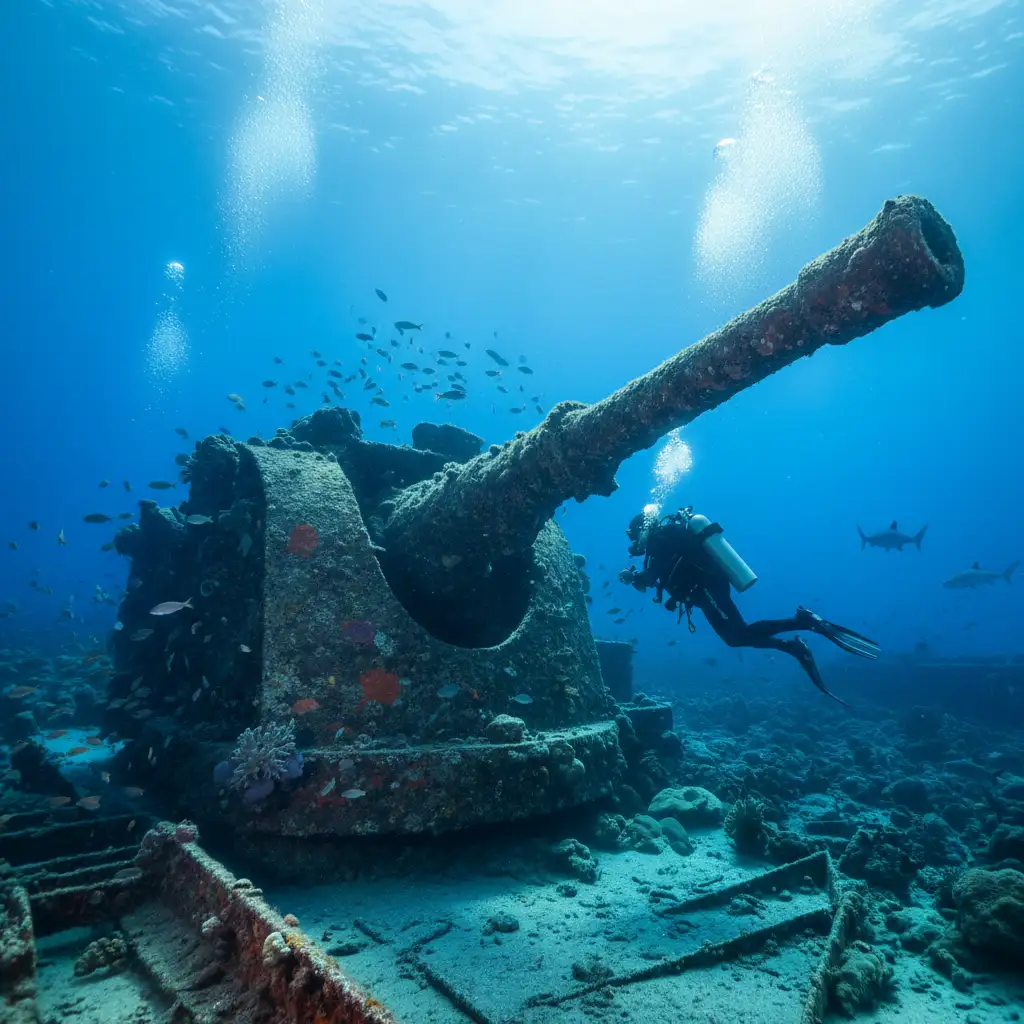
When researching diving Vanuatu packages, the primary draw for the majority of international visitors is the island of Espiritu Santo, specifically the town of Luganville. This is the gateway to one of the world’s most accessible and impressive shipwrecks: the SS President Coolidge.
Unlike many wreck sites that require long boat rides or deep technical certifications just to see the bow, the Coolidge is a shore dive. However, do not let the accessibility fool you; this is a massive ocean liner, and a dedicated itinerary here requires planning.
Structuring Your Coolidge Itinerary
A proper Coolidge itinerary is not a day trip; it is a campaign. Most comprehensive diving Vanuatu packages suggest a minimum of 5 to 7 days in Luganville to truly appreciate the wreck. The dive profiles get progressively deeper and more complex as your guides become comfortable with your air consumption and buoyancy skills.
- The Orientation Dive: Every operator will start you on the bow. This sits at roughly 20 meters and allows you to get comfortable with the scale of the ship.
- The Promenade and Cargo Holds: Subsequent dives will take you deeper, exploring the promenade deck where you can still find rifles, gas masks, and helmets fused into the coral.
- The Lady: The ultimate goal for many is “The Lady,” a ceramic figure of a lady and the unicorn located in the first-class dining room. This dive typically reaches depths of 40 to 50 meters, requiring decompression stops.
Million Dollar Point
No Luganville itinerary is complete without visiting Million Dollar Point. Located just down the coast from the Coolidge, this site is a junkyard of history. At the end of WWII, the US military dumped tons of equipment—bulldozers, cranes, trucks, and forklifts—into the ocean. Diving here is surreal; it is a chaotic, shallow dive (max 25 meters) where machinery is piled high, now encrusted with hard corals and teeming with fish life. It provides a stark, fascinating contrast to the majesty of the Coolidge.
Reef Diving in Port Vila: Accessibility Meets Biodiversity
While Santo holds the heavy metal, the capital, Port Vila on the island of Efate, offers a completely different underwater topography. Many diving Vanuatu packages are structured as “twin-centre” holidays, splitting time between the wrecks of Santo and the reefs of Efate.
Why Include Port Vila in Your Package?
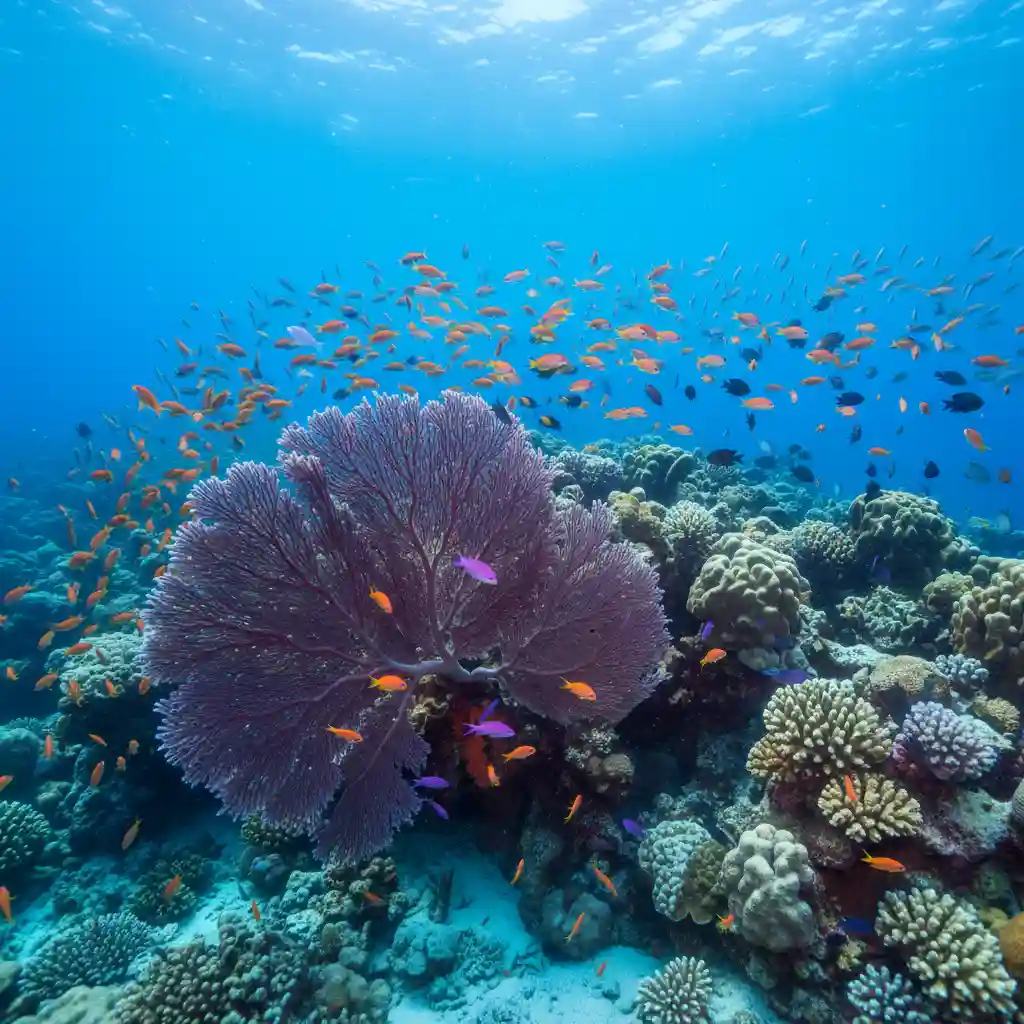
Port Vila is the hub of commerce and international travel, making it the most convenient place to start or end your trip. The diving here is characterized by dramatic topography, swim-throughs, and caverns.
Key Dive Sites in Efate
The Cathedral: This is a massive cavern located off the Pango Peninsula. The lighting effects as the sun streams through the roof of the cavern create a spiritual experience for photographers. It is accessible to open water divers but offers enough grandeur to impress seasoned pros.
Semle Federsen: For those who haven’t had their fill of wrecks in Santo, the Semle Federsen is a cargo trading vessel sunk in 1985. It sits upright in roughly 40 to 50 meters of water. The visibility in Port Vila is often superior to Santo, sometimes exceeding 40 meters, which makes the descent onto this wreck breathtaking.
Konanda: A purpose-sunk island trader that sits on a flat sandy bottom at 26 meters. It is the perfect wreck for penetration training or for photographers who want a safe, controlled environment to shoot wreck interiors without the depth pressures of the Coolidge.
Liveaboard Options: Reaching the Remote Archipelagos
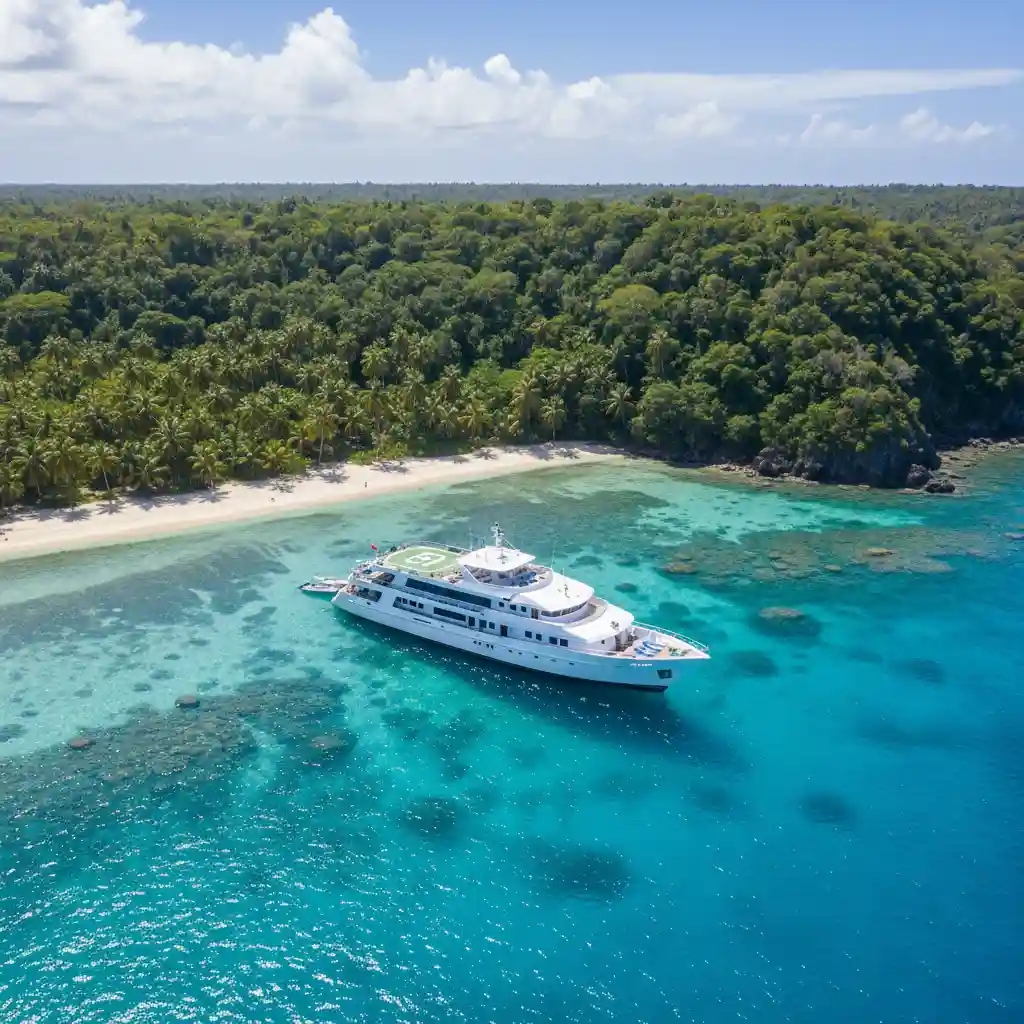
For the diver who wants to escape the day-boat routine entirely, liveaboard diving Vanuatu packages offer access to the untouched frontiers of the archipelago. While land-based operations in Vila and Luganville are excellent, they are limited by fuel range.
The Northern Islands
Liveaboards often head north toward the Banks and Torres Islands. These areas are rarely dived, meaning the reefs are pristine, and the fish life is unaccustomed to humans. You can expect to see larger pelagics here, including dogtooth tuna, Spanish mackerel, and various shark species.
Volcanic Diving
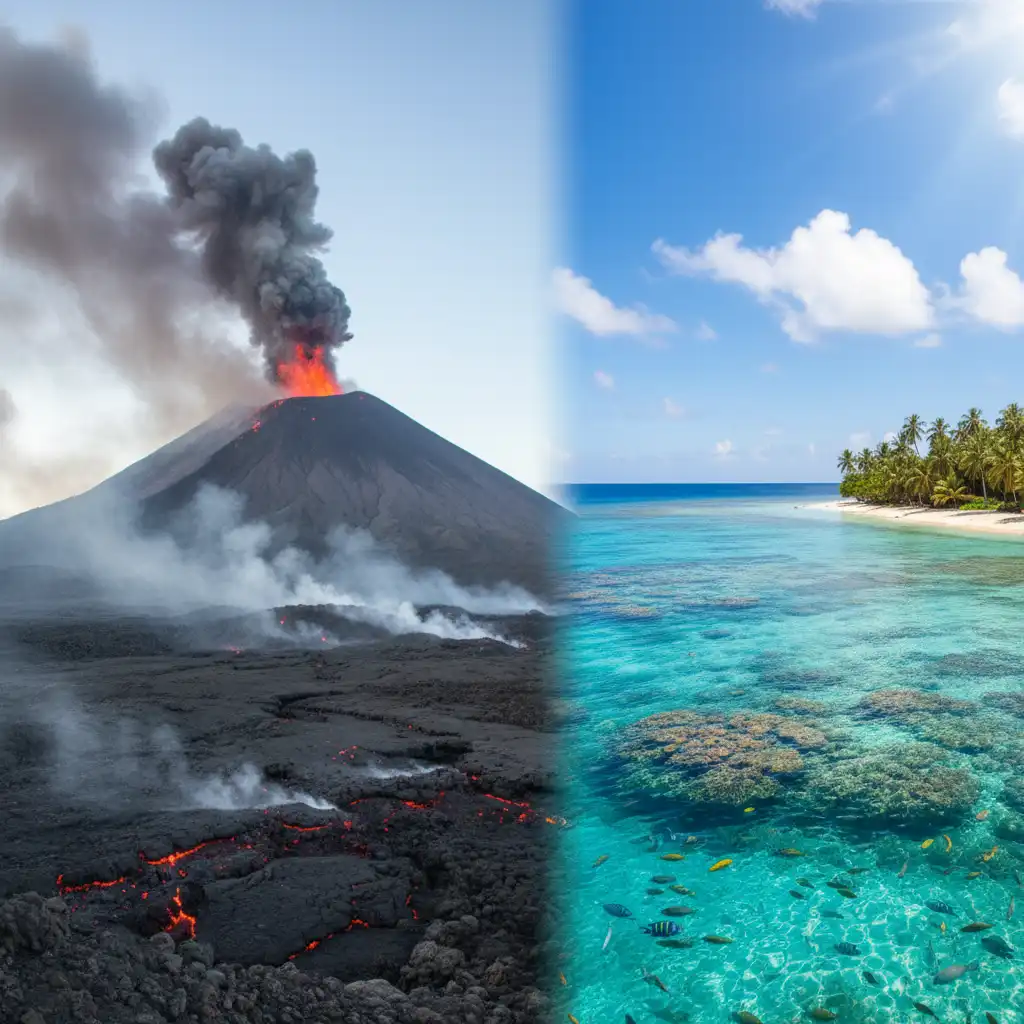
Some specialized itineraries include transits past active volcanoes, such as Mount Yasur on Tanna or the volcanoes of Ambrym. While diving directly under an erupting volcano is rare due to safety, the underwater topography in these volcanic regions is unique, featuring black sand slopes, thermal vents, and massive drop-offs.
Note on Availability: Liveaboards in Vanuatu are fewer in number compared to destinations like the Maldives or Raja Ampat. It is critical to book these diving Vanuatu packages 6 to 12 months in advance to secure a berth.
Gear Rental vs. Bringing Your Own Equipment
One of the most common questions regarding diving Vanuatu packages is the logistics of equipment. Should you haul your 20kg gear bag across the Pacific, or rely on local rental stock?
The Case for Bringing Your Own Gear
If your itinerary focuses heavily on the SS President Coolidge, bringing your own gear is highly recommended, particularly:
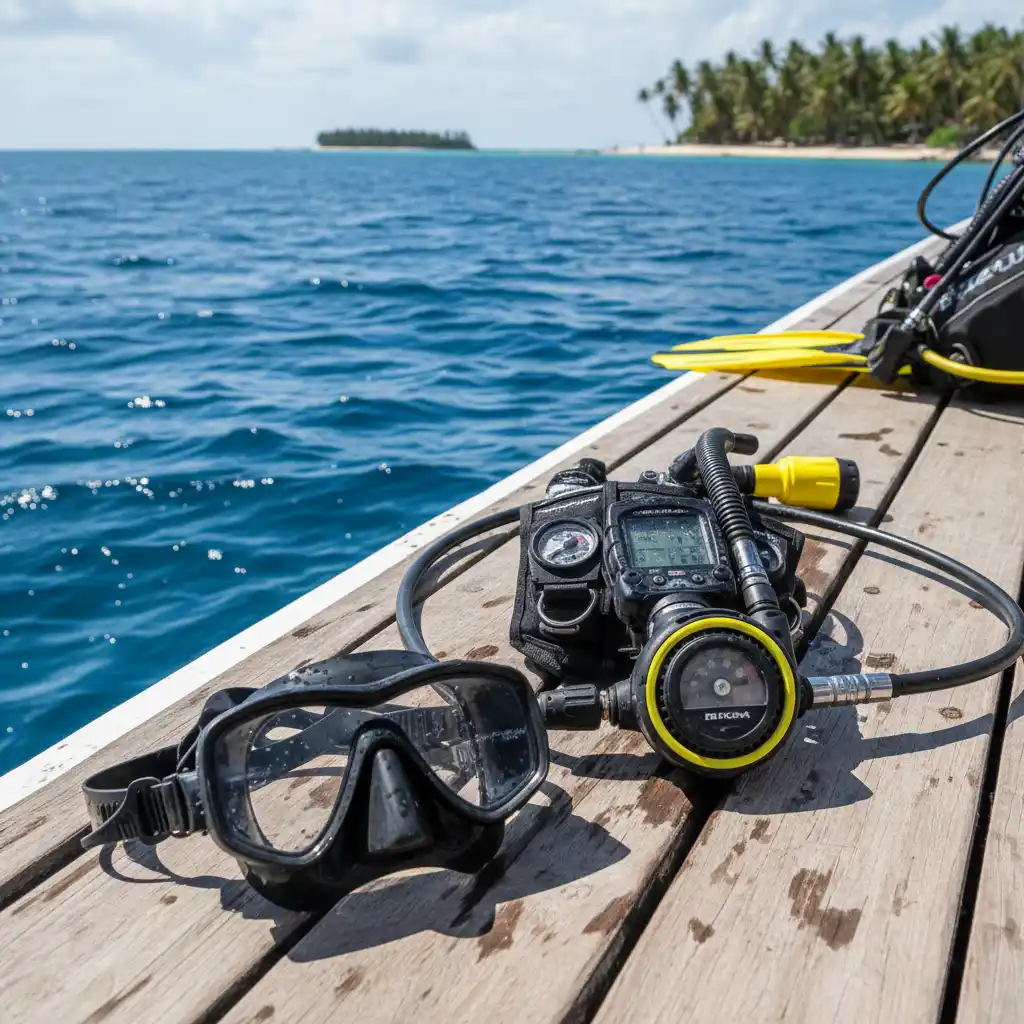
- Dive Computer: You need to know exactly how your computer handles decompression algorithms. Trusting a rental computer on deep decompression dives adds unnecessary risk.
- Regulator: While local maintenance is generally good, having your own high-performance regulator is comforting at 40 meters deep.
- Exposure Suit: Water temperatures vary. A well-fitting 3mm or 5mm wetsuit ensures you stay warm during long deco stops.
The Case for Rental
If you are sticking to recreational reef dives in Port Vila, rental gear is perfectly adequate. Most reputable operators stock major brands like Scubapro, Mares, or Aqualung. This saves you significant baggage fees and the hassle of drying gear before your flight home.
Airline Baggage Allowances
Air Vanuatu and other carriers servicing the region often have specific allowances for sporting goods. When booking your diving Vanuatu packages, ask your travel agent to explicitly include “sporting allowance” on your ticket. This can often grant you an extra 10kg specifically for dive gear, free of charge or for a nominal fee.
Best Time to Book Diving Vanuatu Packages
Vanuatu is a year-round destination, but weather patterns can dictate the quality of your dive experience.
The Dry Season (April to October)
This is generally considered the peak season. The trade winds can be stronger, potentially making surface conditions choppier, but the humidity is lower, and the weather is generally pleasant. Water temperatures hover around 24°C to 26°C (75°F – 79°F).
The Wet Season (November to March)
While rain is more frequent, the water is warmer, often reaching 28°C to 30°C (82°F – 86°F). The seas can be calmer in the absence of trade winds, provided there is no tropical depression nearby. This is often the best time for macro photography and seeing migratory species.
Cyclone Considerations
The cyclone season runs roughly from January to April. While direct hits are rare, they can disrupt travel. Comprehensive travel insurance is non-negotiable when booking diving Vanuatu packages during this window.
People Also Ask
How much does a dive trip to Vanuatu cost?
The cost varies significantly based on luxury level. A standard 7-day diving Vanuatu package including accommodation, transfers, and a 10-dive pack typically ranges from $1,500 to $2,500 USD per person. Luxury liveaboards or high-end resorts will push this price higher, while budget travelers can find guesthouses in Luganville for less.
Do I need advanced certification to dive the SS President Coolidge?
Technically, you can dive the shallow parts of the Coolidge with an Open Water certification. However, to see the iconic sections like “The Lady” (40m) or the engine room, you need Advanced Open Water and Deep Diver certifications. Many operators offer these courses as part of their packages.
Is diving better in Port Vila or Santo?
It depends on your preference. Santo is world-class for wrecks and deep diving (Coolidge, Million Dollar Point). Port Vila is superior for coral reefs, biodiversity, and varied topography (caverns, shallow wrecks). A complete itinerary should ideally include both.
What is the water temperature in Vanuatu for diving?
Water temperatures range from 24°C (75°F) in the winter months (July-August) to a balmy 30°C (86°F) in the summer (January-February). A 3mm wetsuit is standard year-round, though a 5mm is recommended for those doing long decompression stops in Santo.
Are there sharks in Vanuatu waters?
Yes, Vanuatu has a healthy shark population. You can commonly see Whitetip and Blacktip reef sharks, Grey Reef sharks, and occasionally Hammerheads or Bull sharks in deeper waters. They are generally not aggressive toward divers.
Can beginners dive in Vanuatu?
Absolutely. Port Vila has numerous protected bays and shallow reefs perfect for Open Water courses and discovery dives. Even in Santo, there are shallow reefs and the shallow sections of Million Dollar Point that are accessible to beginners.