The average diving SS President Coolidge cost ranges from $50 to $70 USD (6,000–8,500 Vatu) per single shore dive, including tanks, weights, and guide fees. For a comprehensive experience, most divers purchase 10-dive packages costing between $450 and $600 USD. Full equipment rental typically adds an additional $25–$35 USD per day.
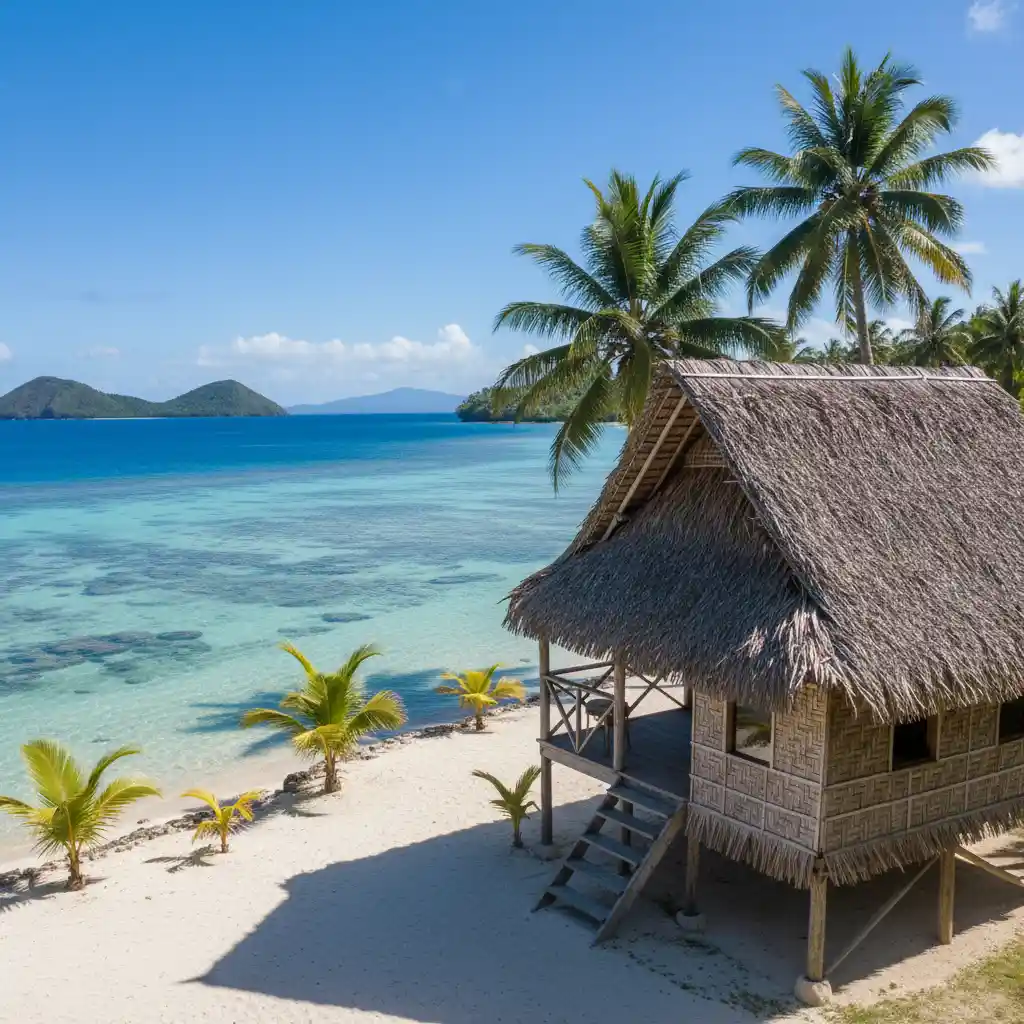
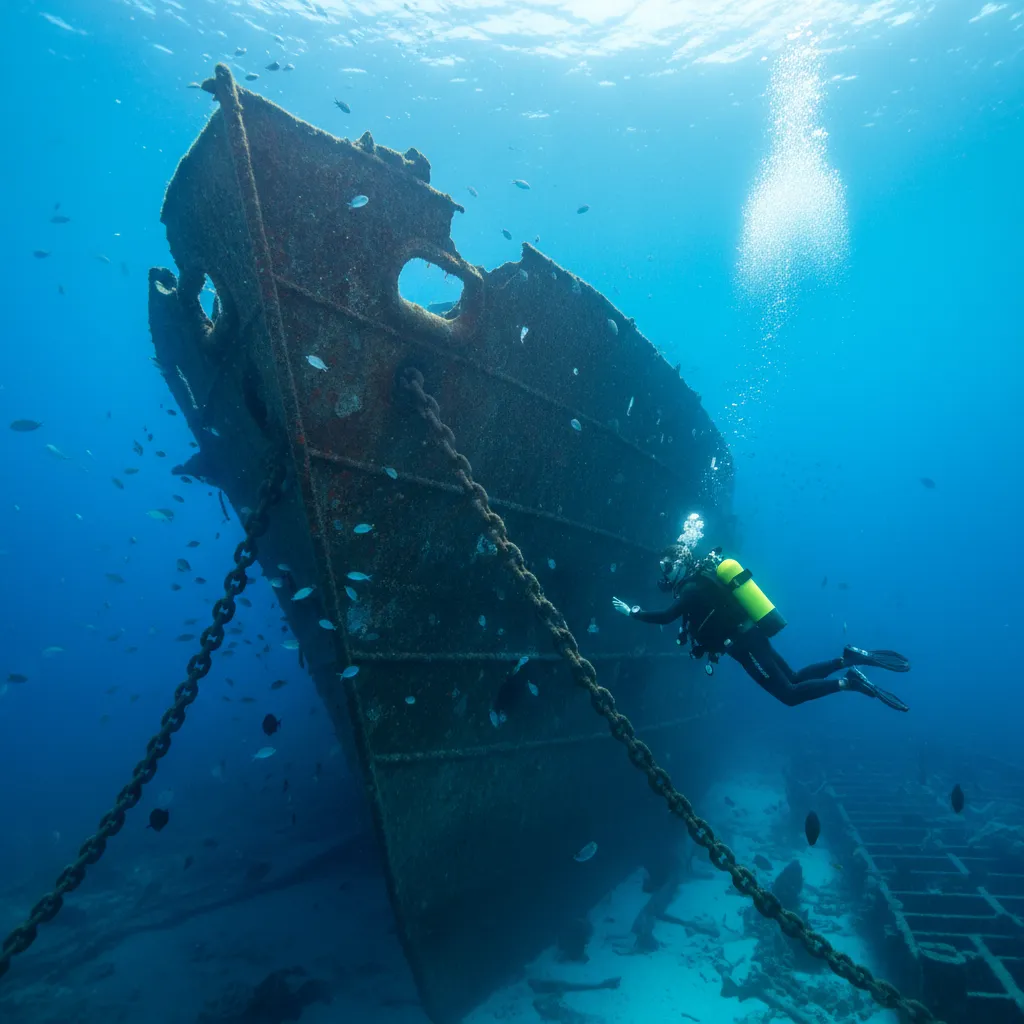
The SS President Coolidge, resting off the coast of Espiritu Santo in Vanuatu, is widely regarded as the largest and most accessible wreck dive in the world. Originally a luxury ocean liner converted into a troopship during WWII, this massive vessel offers a unique underwater playground for recreational and technical divers alike. However, planning a trip to this remote destination requires careful financial and logistical preparation. From certification prerequisites to hidden expenses like reef taxes and gear rental, understanding the full scope of the costs involved is essential for a seamless expedition.
What is the Total Diving SS President Coolidge Cost?
When budgeting for your Vanuatu diving expedition, it is crucial to look beyond the headline price of a single tank. The SS President Coolidge is a massive wreck, measuring nearly 200 meters in length, and cannot be fully appreciated in just one or two dives. Most itineraries suggest a minimum of 6 to 10 dives to reach the most iconic sections of the ship.
Per Dive vs. Package Rates
The currency in Vanuatu is the Vatu (VUV), though many operators accept Australian Dollars (AUD) or US Dollars (USD). Prices fluctuate based on exchange rates, but the standard market rates for 2024/2025 remain consistent among the top operators.
- Single Shore Dive: Approximately 6,000 VUV to 8,500 VUV ($50–$70 USD). This generally covers the tank, weights, and the mandatory dive guide. Because the Coolidge is a protected site with complex penetration routes, diving without a local guide is strictly prohibited.
- 6-Dive Package: Operators often discount bulk bookings. A 6-dive package usually costs around 33,000 VUV to 40,000 VUV ($280–$340 USD).
- 10-Dive Package: This is the most popular option for serious divers. Expect to pay between 55,000 VUV and 65,000 VUV ($460–$550 USD). This allows enough time to work up from the bow (shallower) to the stern and engine room (deeper).
Equipment Rental and Hidden Fees
Unless you are bringing your own full kit, you must factor in rental costs. While weights and tanks are standard, BCDs, regulators, and wetsuits are extra.
- Full Gear Hire: Expect to pay 2,500 VUV to 3,500 VUV ($20–$30 USD) per day.
- Torch/Flashlight: Essential for wreck penetration. Rentals cost roughly 1,000 VUV ($8.50 USD) per dive.
- Nitrox Fills: Due to the depth of the wreck, Nitrox is not always the standard gas for the bottom phase, but is often used for accelerated decompression. Nitrox fills or deco stages can cost an extra 1,500 VUV ($12 USD) per tank.
- Reef Taxes: Some access points along the shore may require a small custom fee payable to local landowners, usually around 500 VUV ($4 USD), though many dive operators include this in their package price.
What are the Certification Requirements?
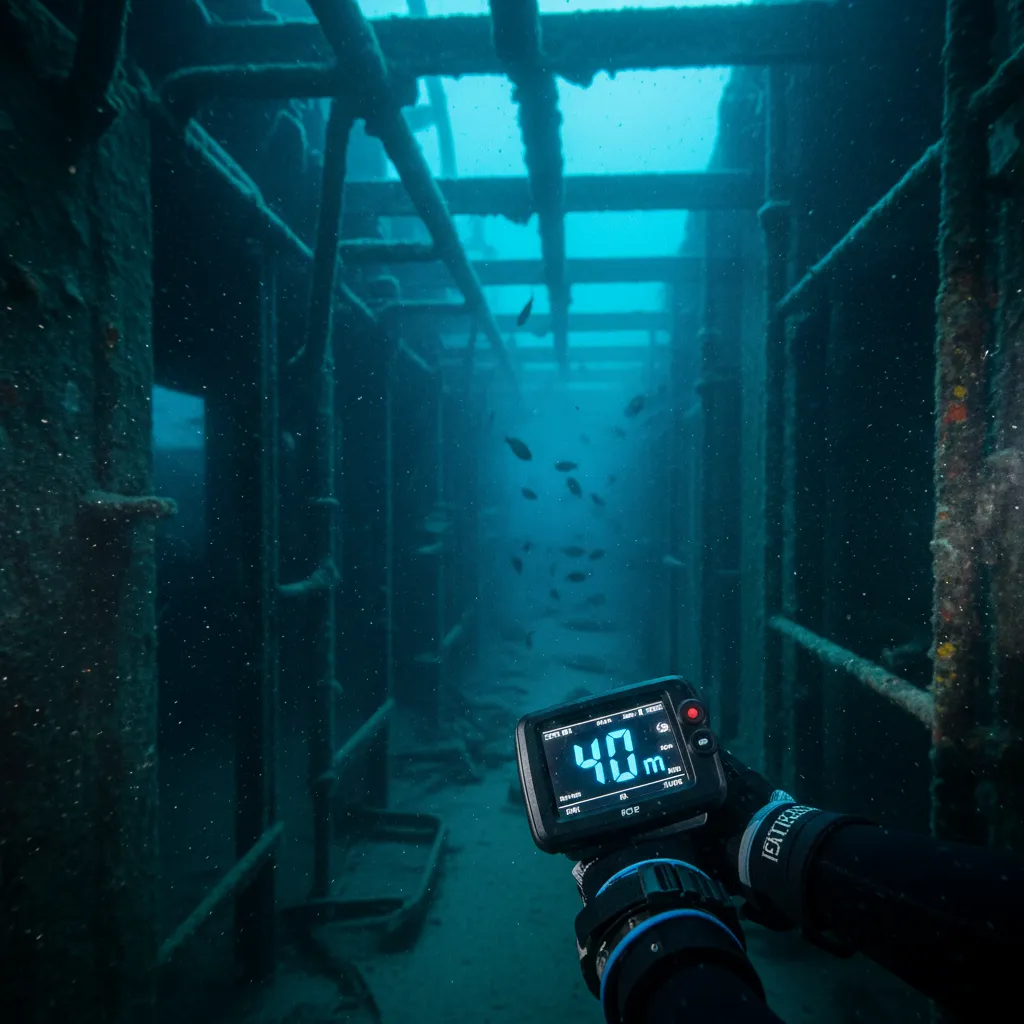
The SS President Coolidge is not a standard recreational dive site; it is a deep, wreck penetration environment. The bow rests at approximately 20 meters (66 feet), while the stern drops to roughly 70 meters (230 feet). Consequently, the dive profile is aggressive and requires discipline.
Minimum Certification Levels
While Open Water divers can technically dive the very top of the bow, they are severely limited. To get value for your money and see the iconic sights, you need advanced training.
- Advanced Open Water (AOW): This is the practical minimum. It allows you to descend to 30 meters, granting access to the promenade deck, the rifle locker, and the forward cargo holds.
- Deep Diver Specialty: Highly recommended. This certification extends your depth limit to 40 meters, which is necessary to visit “The Lady” and the medical supplies area comfortably.
- Wreck Specialty: While local guides are experts at navigation, having your own wreck certification ensures you have the buoyancy control and reel skills necessary for safe penetration.
Decompression Procedures
Because of the depth, almost every dive on the Coolidge involves decompression stops. The dive profile typically involves a rapid descent to the target depth (e.g., 40m–50m), a bottom time of 15 to 20 minutes, and then a slow, multi-level ascent up the side of the ship and through the cargo holds. The final decompression obligation is usually carried out at the “Coral Garden” at 3–5 meters, a constructed shallow reef made of spare parts and coral where divers hang off gas before surfacing.
Who are the Best Dive Operators in Santo?
Choosing the right operator is critical for safety and logistics. The local guides in Santo are legendary; many have thousands of dives on this specific wreck and know every bolt and rivet.
Allan Power Dive Tours
As the longest-running operator on the island, the Allan Power team is synonymous with the Coolidge. They operate distinct morning and afternoon dives. Their logistics are seamless, utilizing minibuses to transport divers from Luganville hotels to the shore entry point. They are renowned for their safety record and intimate knowledge of the wreck’s history.
Pacific Dive
Located at the Espiritu Hotel, Pacific Dive offers a modern approach with robust support for technical divers (Twin sets, Rebreathers, and Trimix). If you are a tech diver looking to explore the stern or the swimming pool at 60m+, Pacific Dive is often the preferred choice due to their gas blending capabilities.
Coral Quays Fish and Dive Resort
For those who want a “stay and dive” package, Coral Quays offers accommodation and diving in one bundle. This can sometimes lower the overall diving SS President Coolidge cost by combining room rates with dive packs. Their boat departure point is convenient, though shore diving remains the standard for the Coolidge.
Where are the Key Penetration Points?
The allure of the Coolidge is the artifacts that remain in situ. Unlike many wrecks that have been stripped, the Coolidge still holds military supplies, personal effects, and vehicle parts.
The Lady (The Porcelain Maiden)
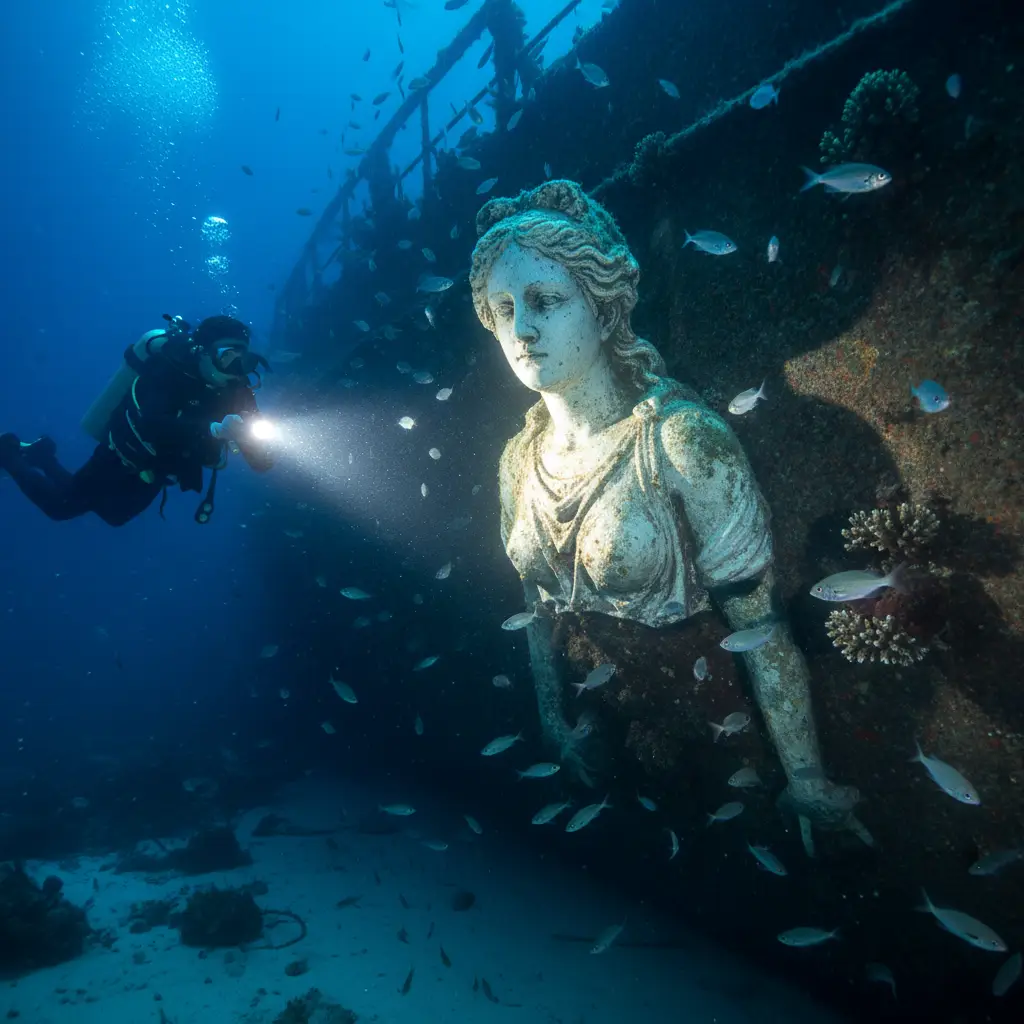
Located in the First Class Dining Saloon at approximately 40–45 meters, “The Lady” is a ceramic relief of a woman on a unicorn. It is the most photographed point on the wreck. Divers typically have only a few minutes here due to depth. Guides will often wipe the silt off the face of the statue for a clear photo opportunity. Kissing The Lady is a tradition, though divers are advised to be careful of their regulators.
The Medical Supplies
Slightly shallower than The Lady, the medical supply room contains rows of bottles, powders, and medical glass still stacked on shelves. It is an eerie reminder of the ship’s role as a troop transport.
The Cargo Holds (General Motors)
In Hold Number 2, divers can find Jeeps, trucks, and tracked vehicles. Seeing a GM truck parked vertically on the sea floor inside a ship is a surreal experience that highlights the scale of the logistics involved in WWII.
Logistics: Accommodation and Transport
Luganville is the main town in Espiritu Santo and the base of operations for diving the Coolidge. The wreck is located just a short drive east of the town.
Where to Stay
Budget travelers often choose The Unity Park Motel or smaller backpacker lodges, where costs can be as low as $40 USD per night. Mid-range divers prefer The Espiritu or Hotel Santo, which offer air conditioning and gear storage facilities. For luxury, Aore Island Resort is a boat ride away, but this adds travel time to get to the dive site every morning.
Getting to the Dive Site
The SS President Coolidge is a shore dive. Operators pick you up from your hotel in a minibus and drive about 10-15 minutes to the site. You gear up on the beach, walk into the water, and follow a rope line down to the bow. This logistics model eliminates the cost of boat fuel, which keeps the price of diving the Coolidge lower than comparable boat-access wrecks elsewhere in the world.
How to Handle Safety and Decompression?
Safety is paramount when diving deep wrecks in remote locations. The nearest hyperbaric chamber situation in Vanuatu can be fluid.
Decompression Chamber Status
Historically, there has been a decompression chamber located in Port Vila (the capital, on the island of Efate) and occasionally a volunteer-run outpost in Santo. However, the operational status of the Santo chamber is inconsistent. It is absolutely critical to check the current status of the chamber with your dive operator before booking.
In many severe DCI cases, medical evacuation to Australia (Brisbane or Sydney) is required. This necessitates high-altitude flight restrictions and immense cost.
Insurance is Mandatory
Do not dive the Coolidge without comprehensive dive accident insurance (such as DAN or DiveAssure). Your standard travel insurance will likely exclude diving below 30 meters or wreck penetration. Ensure your policy covers:
- Depth limits consistent with your certification (up to 40m or 50m).
- Hyperbaric chamber treatment costs.
- Emergency air evacuation to Australia ($30,000+ USD value).
People Also Ask
How deep is the SS President Coolidge dive?
The dive starts at the bow at approximately 20 meters (66 feet) and slopes down to the stern at 70 meters (230 feet). Most recreational dives are conducted between 30 and 45 meters to see the main attractions like the promenade deck and The Lady.
Is the SS President Coolidge suitable for beginners?
No, it is not suitable for absolute beginners. While Open Water divers can visit the shallow bow, the wreck is massive, dark, and requires excellent buoyancy control. It is best suited for Advanced Open Water divers and above with some deep diving experience.
What is the best time of year to dive the Coolidge?
You can dive the Coolidge year-round. However, the dry season from May to October offers the best visibility (up to 30 meters) and slightly cooler, more comfortable weather topside. The water temperature ranges from 26°C to 29°C (79°F–84°F) year-round.
Can I dive the engine room on the Coolidge?
Yes, but the engine room is a deep penetration dive, usually around 45 to 50 meters. It requires a specific guide, a clear head, and usually a check-out dive beforehand so the operator can assess your air consumption and comfort level.
Are there sharks on the SS President Coolidge?
While the wreck is primarily about history and metal, marine life is abundant. You may see reef sharks, bull sharks, and large groupers patrolling the perimeter, but they are rarely aggressive. The focus of the dive is the ship itself.
Do I need to bring my own dive gear to Vanuatu?
It is highly recommended to bring your own mask, computer, and regulator if possible for comfort and familiarity. However, local operators in Santo have well-maintained rental fleets of BCDs, regulators, and wetsuits if you prefer to travel light.